

After the somewhat controversial streamer awards earlier in the week, The Game Awards delivered few surprises as Expedition 33 dominated the night and claimed a record nine awards. Even so, the ceremony was not without its own share of debate, alongside several announcements that ranged from exciting to fairly routine for the video game industry. In this article we will break down this year’s show and consider whether The Game Awards remains a positive force for the medium or whether it is beginning to feel like it is chasing the prestige of the Oscars.

As the eleventh edition of The Game Awards, this year’s show reinforced its status as the annual gathering point for the industry. Last year’s ceremony reached more than one hundred and fifty million viewers, surpassing the Super Bowl and confirming that The Game Awards has become the internet’s closest equivalent to event television.
Even so, the event has increasingly shifted toward commercial spectacle. The awards themselves often feel secondary to world premieres and promotional showcases. Kotaku reported earlier this month that securing a three minute trailer slot at the show can cost over one million dollars. This is not surprising, since the cancellation of E3 left The Game Awards as the only major moment when the entire gaming audience comes together, giving companies a rare chance to promote projects outside their own ecosystems.
That said, paying for the spotlight does not guarantee a positive reaction. With expectations from viewers at an all time high, it is essential for publishers to make a strong impression. With that in mind, let us take a look at some of the key reveals from the event.
The Reveals

The return of Lara Croft was one of the most anticipated moments of the show. Tomb Raider Catalyst and Tomb Raider and the Legacy of Atlantis are set for release in 2027 and 2028, marking the first entries in the series since 2018 when the darker reboot trilogy published by Square Enix came to an end. Now under Amazon Games, the franchise appears to be returning to a more classic style for both character design and overall tone. This partnership makes sense for both sides. Amazon needs a reliable and recognisable release as it continues to build its presence in the industry, and the Tomb Raider series benefits from a level of investment it might not have received elsewhere. Even so, expectations should remain modest. These upcoming titles will likely satisfy long time fans, but the series seems well past the height of its cultural influence.

Another major revival came in the form of Star Wars Knights of the Old Republic, with Casey Hudson returning as director after his success with the Mass Effect series. The game is still in the early stages of development, yet anticipation has already begun to build. The conclusion of the EA and Star Wars exclusivity period has opened the door to a wave of new projects, and this one has the potential to become the standout among them.
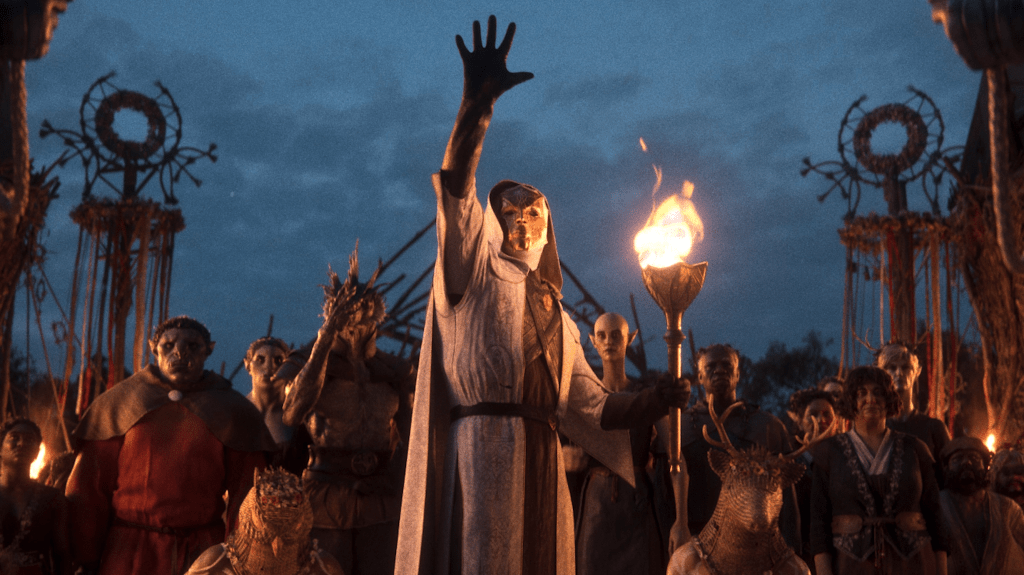
Larian Studios also revealed their next project. Ever since the success of Baldur’s Gate 3, the central question has been what the studio would do next. Having turned down the chance to create a 4th instalment, Larian made it clear they wanted to focus on their own worlds, and they finally unveiled their next project with the announcement of Divinity. According to Swen Vincke, it will be their most ambitious role playing game so far.
The studio is in a strong position. Their work with the Dungeons and Dragons licence demonstrated their ability to deliver at the highest level, and the global excitement around Baldur’s Gate 3 has given them considerable momentum. Although the announcement generated enthusiasm, they showed no gameplay, and it is unlikely that we will see any footage until late 2026 at the earliest, with 2027 being the more realistic timeline.
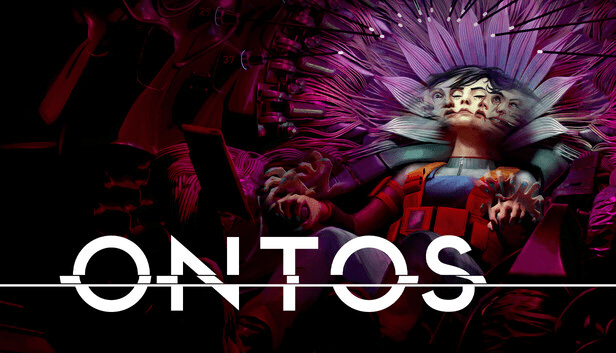
Other notable announcements included Ontos featuring Stellan Skarsgard, Resident Evil Requiem and the science fiction themed Forest three.
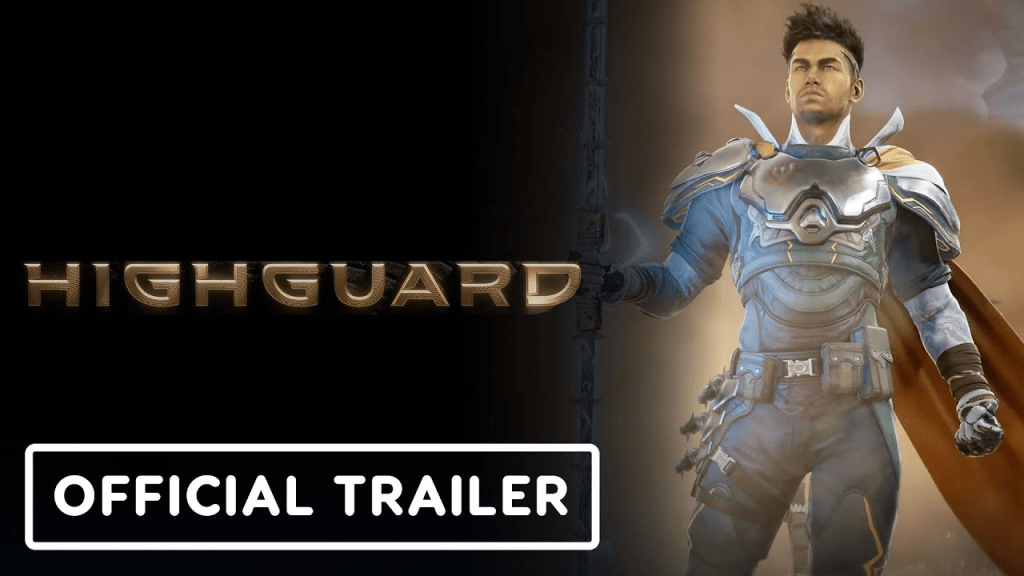
However, the most divisive moment of the night came from Wildfire Studios with their debut title Highguard, which was positioned as the final reveal of the show. Presenting what appears to be a five versus five hero shooter as the closing moment of a four hour event was a questionable decision. Even if the project itself has merit, it was never going to serve as the satisfying conclusion viewers expect from the final act of The Game Awards.
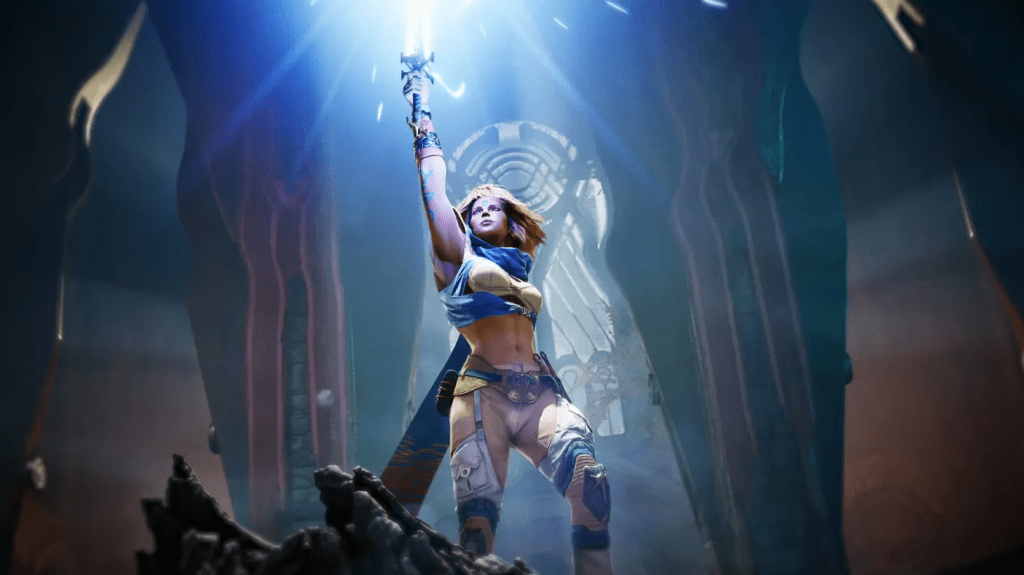
The situation is unfortunate because context matters. Wildfire Studios is composed of an impressive team with a stated goal of innovating within the shooter genre. Yet the trailer shown did little to communicate that ambition, leaving audiences underwhelmed rather than excited.
The Awards
Most viewers entered this year’s ceremony expecting a sweep, and that is exactly what happened. Expedition 33 produced one of the most dominant performances in the history of The Game Awards, taking home nine of the twelve categories in which it was nominated. Although few people object to the game winning the top honour, several of its other awards raised legitimate questions.
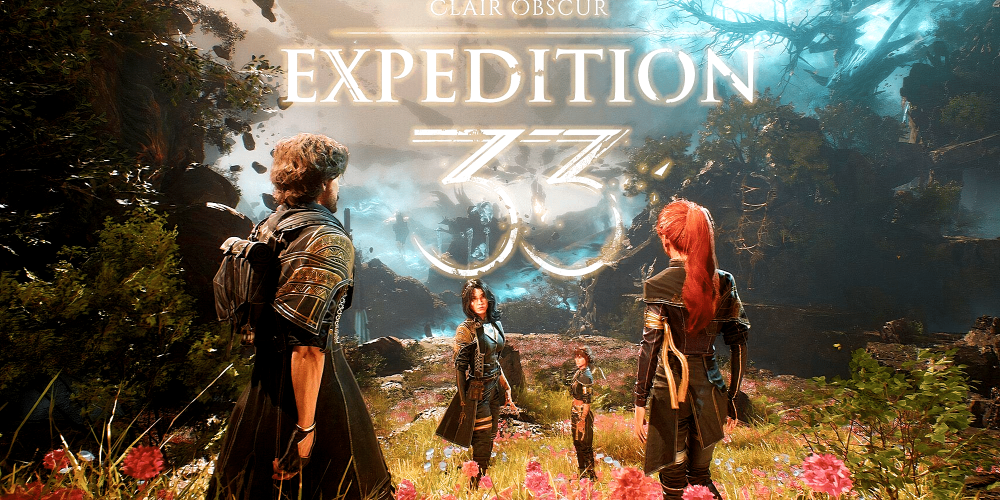
One of the main debates concerns whether the game should have been considered an independent title at all. Expedition 33 is a JRPG inspired project developed by Sandfall Studio, a team composed of former Ubisoft developers. Its estimated budget of around 10 million dollars is far lower than a typical triple A production, yet it is far beyond the resources available to most independent creators, particularly when combined with the team’s prior experience in major studios. This does not diminish the achievement of the game, but it highlights the widening gulf between projects that are all grouped under the label independent. Last year’s Game of the Year nominee Balatro, created entirely by one developer on a laptop, illustrates this divide clearly. It raises a broader question about whether there should be a more precise way to classify and judge independent titles.
Although Expedition 33 earned its acclaim, concerns also remain about a perceived western bias toward certain role-playing games. Series such as Persona, Final Fantasy, Xenoblade and Metaphor often receive nominations at The Game Awards, yet rarely leave with major wins. One of the most discussed examples came when Xenoblade Chronicle 3 lost the award for best soundtrack to God of War Ragnarök in 2022, a result that many fans still find difficult to understand. Moments like this fuel the impression that Japanese games are not celebrated with the same enthusiasm as their western counterparts, even when they excel in core areas such as music, world building and narrative design. Of course Japanese games do win, including Elden Ring which won game of the year in 2022 but notably has a much more western theme.
Conclusion
The Game Awards twenty twenty five delivered memorable announcements and an expected sweep for Expedition 33, yet it also highlighted many of the tensions shaping the modern industry. The increasing emphasis on marketing, the blurred definition of independent development and the ongoing debate about recognition for Japanese titles all suggest that the ceremony is still searching for its true identity. It remains a valuable platform for celebration, but it risks becoming defined more by spectacle than by genuine appreciation of the craft. Whether future shows can strike a better balance will determine if The Game Awards continues to grow in influence or becomes another event struggling to understand what players truly value.
 Tim Browne - Consultant and Researcher for Creatives