

Why the Most Valuable Part of Your Community Is the One That Creates
Modern entertainment has a problem.
Demand is exploding, but production cannot keep up.
Games take longer to make. Updates are expected faster. Communities move on quicker. Meanwhile, the biggest IP holders are no longer competing against one game or one show, they are competing against entire ecosystems.
If you want an IP to survive long-term, you need more than output. You need momentum. And the most scalable form of momentum is not produced internally.
It is created by the community.
The E³ Framework exists to solve that. It is a strategic model built around three pillars:
Empower. Engage. Enable.
This article is the first in a short series, focusing on the pillar that most companies either misunderstand or actively fear.
Empower.
Empower is not “UGC”. It is distributed creativity.
When people talk about user-generated content, they often reduce it to a feature.
A “create mode”.
A “map editor”.
A “workshop tab”.
But Empower is not a tool. It is a culture.
It is the ability for a small percentage of your audience to become something else entirely:
co-creators.
Not everyone in your community is capable of creating.
Not everyone wants to.
But every ecosystem has a small, resourceful percentage of users who will contribute if you let them.
- artists
- editors
- programmers
- musicians
- translators
- storytellers
- designers
- meme creators
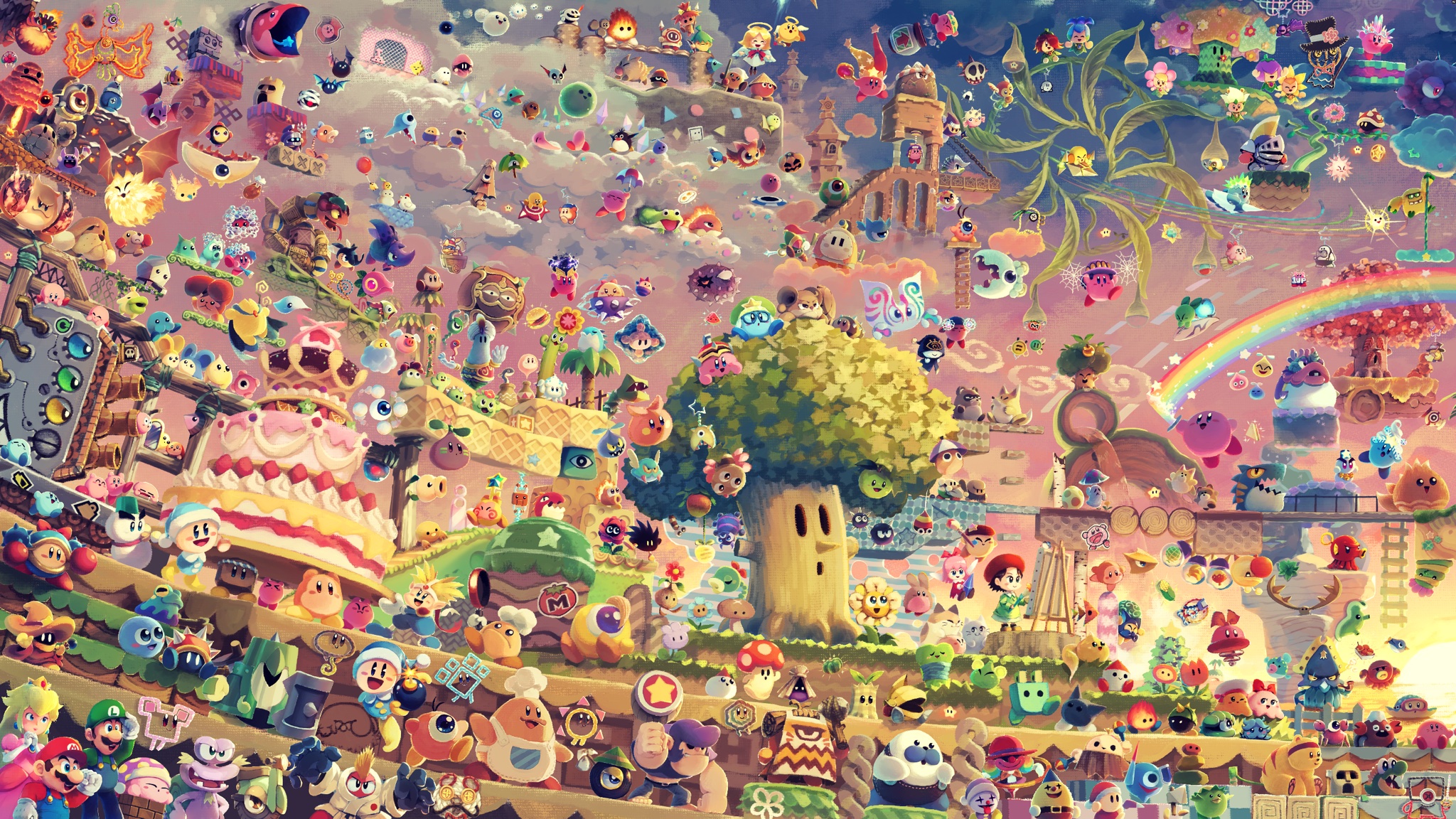
This is the empowered layer of your audience.
And when that layer activates, it becomes one of the strongest signs that your IP has real value.
Because people do not create for things they do not care about.
You cannot force empowerment. You have to foster it.
This is the part most companies get wrong.
They treat empowerment like something they can manufacture through a marketing campaign.
“Here’s a contest.”
“Here’s a hashtag.”
“Here’s a community challenge.”
That can help, but it is not the foundation.
Empowerment cannot be demanded.
It has to emerge.
And it only emerges when an IP creates an environment where people feel safe and rewarded for contributing.
That is why the best empowerment strategies are not loud.
They are quiet.
They are legal.
They are cultural.
They are structural.

Hololive proved Empower works, without forcing it
A perfect example is Hololive.
Hololive did not build its international explosion through traditional advertising. It built it through empowerment.
It created a culture where:
- clipping was tolerated and later supported
- translation became normal
- fan art became a core part of the identity
- fan games became expected
- remixes, edits, memes and community projects became part of the brand
And none of it was forced.
Hololive simply allowed the community to exist in a way that felt legitimate. That legitimacy is crucial, because empowerment is not just about giving people assets. It is about giving them legal permission. The ability to create without fear of copyright punishment. That is one of the most underrated competitive advantages in modern entertainment.

Empower is not free labour. It is coalition building.
There is an uncomfortable conversation that always appears when empowerment is discussed: “Isn’t this just companies exploiting free labour?”
It can be.
But that is not what Empower is supposed to be.
Empower is not about outsourcing production.
It is about building an ecosystem where fans contribute because the IP gave them something worth contributing to. It is a coalition.
The community is not creating for you.
They are creating with you. That distinction matters, because it changes the emotional contract. The moment a company tries to treat empowerment as a replacement for professional labour, the culture collapses. Empowerment is not an extraction strategy.
It is a relationship strategy.

Empower is verification that your IP is strong
Most IPs are weaker than their owners believe.
A lot of entertainment products survive only because they are marketed heavily.
Not because people love them.
Empowerment is different.
Empowerment is the audience voluntarily investing their time into expanding your world. That is the clearest form of market validation an IP can receive.
Because attention is cheap.
But creation is expensive.
When people create, they are paying the rent.

Why Empower matters more in the next decade
Empower is not just a “nice bonus”.
It is becoming a requirement.
Because production is becoming more expensive in a way most companies are not prepared for.
Not only financially, but structurally.
The old model was simple:
- make product one
- sell product one
- move to product two
That model no longer fits the reality of the market.
There is too much competition. There are too many platforms. There are too many ecosystems fighting for attention.
Today, an IP cannot survive on one product alone.
It needs an ecosystem.
A modern IP needs:
- a premium mainline experience
- a free entry point
- short-form discovery content
- social presence
- collaborations
- secondary products that keep the world alive between major releases
The demand is constant.
But internal production cannot meet it.
Even the best studios cannot outproduce the modern internet.
And this is where empowerment becomes the strategic advantage.

Empower multiplies your output without multiplying your labour
Empowerment creates what I would call digital colonies.
Your IP spreads across the internet through community activity, not internal publishing.
Fan art becomes marketing. Clips become onboarding. Memes become cultural presence. Fan games become proof of demand. And all of it happens without your internal team burning out. This is not a replacement for professional production.
It is a multiplier.
It keeps the ecosystem alive between releases, which is increasingly the difference between relevance and disappearance.
The real challenge: Empowerment requires trust
Empower is powerful, but it is also risky.
Because the moment you empower a community, you lose total control.
You cannot fully control:
- what gets created
- what goes viral
- what becomes the “face” of your IP
- what parts of the fandom become dominant
- what culture forms around your brand
This is why so many companies resist empowerment.
They want UGC output without UGC autonomy.
But empowerment without autonomy is not empowerment.
It is just marketing.

Empower is the future of sustainable creative ecosystems
Empower is not a gimmick.
It is one of the only ways entertainment companies can keep up with the demand of modern digital ecosystems without destroying their internal teams. And it is also one of the only ways smaller IP holders can compete with giants. Because the largest threat in the next decade is not just AAA studios. It is the rise of massive IP holders with endless resources, especially those capable of producing multi-angle ecosystems at scale.
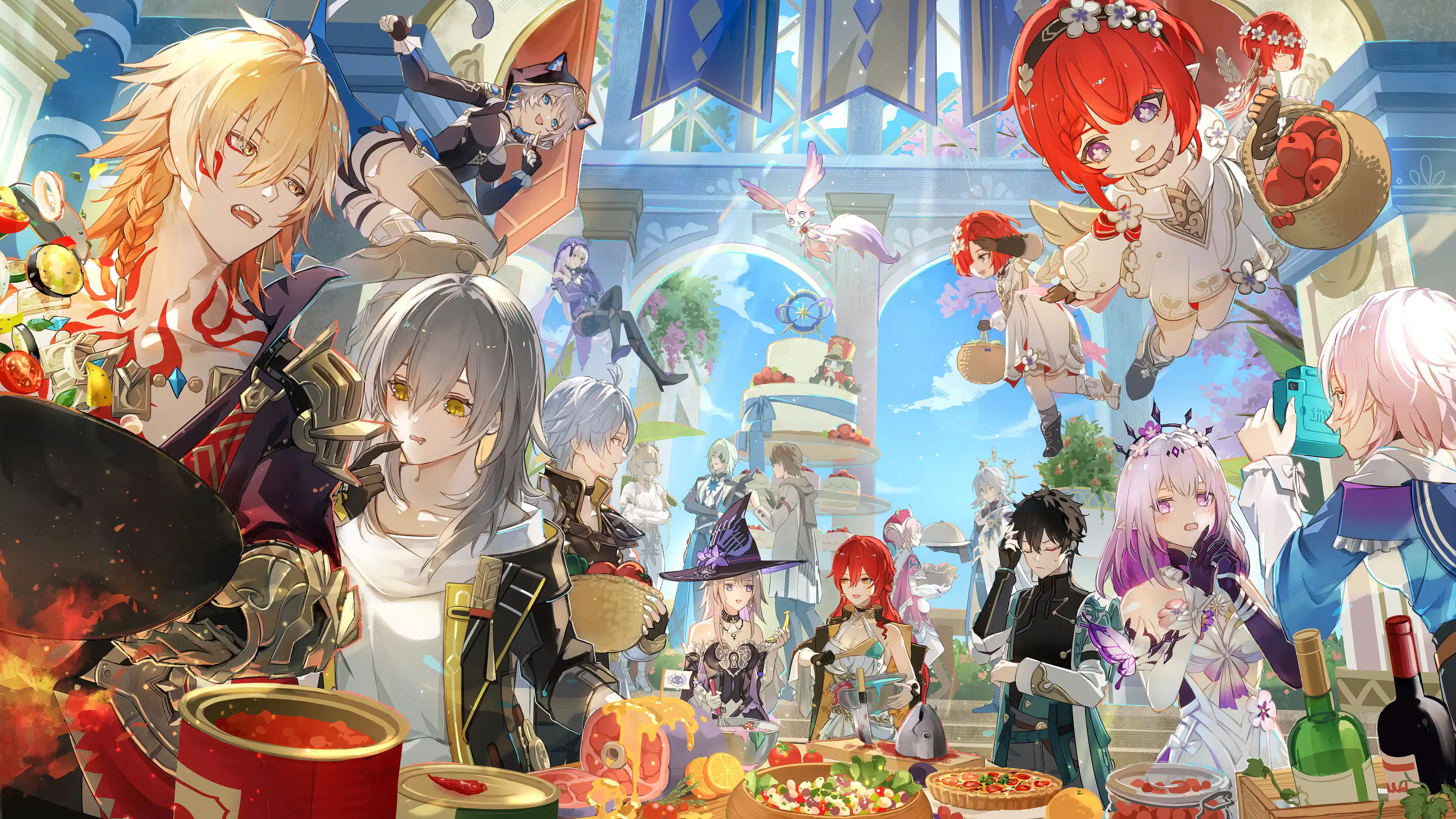
Companies like Hoyoverse can create:
- multiple games
- animated shorts
- live concerts
- constant updates
- marketing campaigns across continents
Most studios cannot compete with that through traditional production.
But empowerment offers another route.
Not by asking the community to work for free.
But by building a coalition where the community contributes because they genuinely want to.
Next in the series: ENGAGE
Empower is how you activate the creative layer of your community.
But empowerment alone does not grow your audience.
That is the role of the second pillar.
Engage: onboarding and discovery.
That will be the focus of the next article
 Tim Browne - Consultant and Researcher for Creatives