
- Branching out
- Bungie: From Halo to Destiny, and the Challenges of Expansion
- Lightfall – Destiny’s biggest flop
- The Iron Triangle
- Hi-rez: A portfolio of waste
- Spreading Too Thin: Hi-Rez’s Failed Side Projects
- Smite 2
- The Pitfalls of Expansion: Bungie, Hi-Rez, and the Need for Justification
- PRINCE2 and the Importance of Business Justification
- The Shareholder Illusion: Why More Projects Don’t Always Mean More Success
- The Fallacy of “Autopilot” Live Service Games
- The Price of Overextension: Why Quality Suffers
- Final Thoughts: The Need for Focus
- Join the conversation
- References
Branching out
At some point in a game studio’s development, a critical decision arises: should it focus on its main project or branch out into multiple games? In the modern era of online multiplayer and live service games, studios face constant pressure to keep content fresh. Neglecting this can cause a game to lose relevance entirely.
In today’s agile and digital-first industry, balancing multiple projects is more challenging than ever. Many studios have struggled to expand beyond their primary success, only to find themselves stretched too thin.
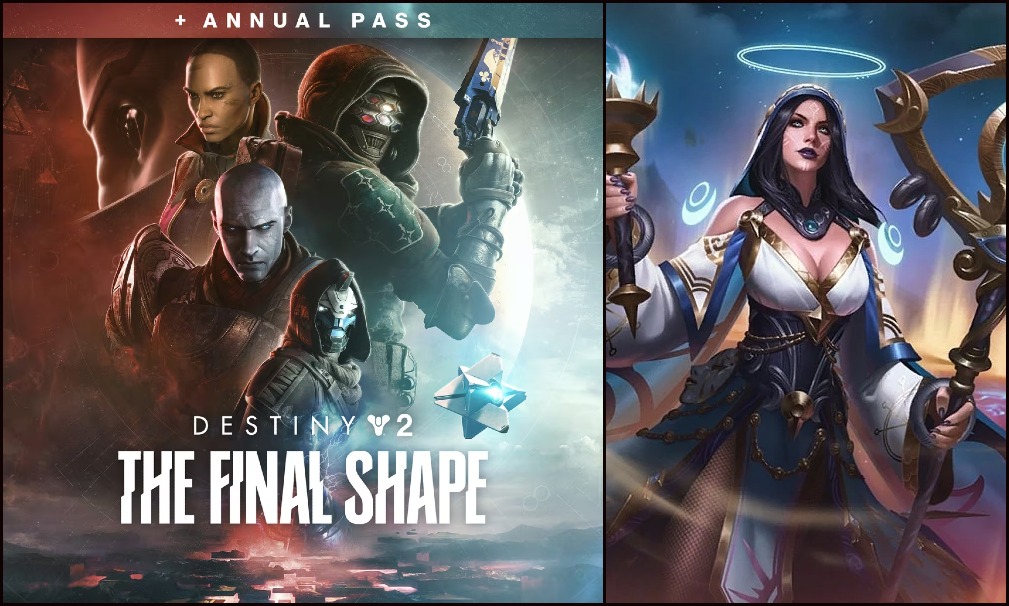
Two clear examples of this are Bungie and Hi-Rez Studios, both of which are struggling to transition away from their primary revenue generators. In this article, I’ll explore how these studios arrived at this point and the risks of diverting resources away from a company’s core success.
Bungie: From Halo to Destiny, and the Challenges of Expansion
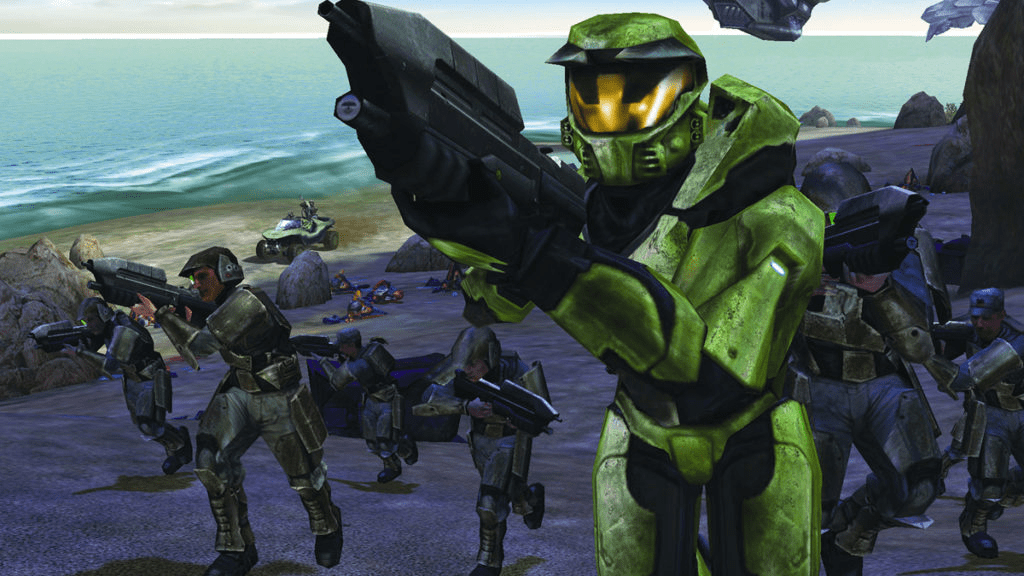
Bungie made its name with Halo, the franchise that became the flagship of the Xbox brand. After being acquired by Microsoft, Bungie developed three groundbreaking titles—Halo: Combat Evolved (2001), Halo 2 (2004), and Halo 3 (2007)—all receiving critical acclaim and record-breaking sales. Halo 3 alone generated $170 million on its first day (September 25, 2007), making it one of the biggest entertainment launches at the time.
However, shortly after Halo 3’s release, Bungie announced its split from Microsoft, leaving the Halo IP behind. Their final contribution to the franchise was Halo: Reach (2010) before they moved on to develop a new, independent IP. Thanks to the massive success of Halo, Bungie had plenty of goodwill from gamers, and their next project quickly became one of the most anticipated games of the decade.
As Bungie expanded its studio, it secured a 10-year publishing agreement with Activision-Blizzard, leading to the creation of Destiny, an ambitious always-online, loot-based FPS. The game reportedly had a massive $500 million budget, but its development was plagued with internal struggles and creative reworks (though the full scope of these issues is beyond this article).
When Destiny launched on September 9, 2014, it received mixed reviews but managed to build a loyal community through expansions, most notably The Taken King (2015), which significantly improved the game. However, in 2019, Bungie and Activision split, ending their partnership early. Bungie gained full creative control over Destiny, but lost Activision’s publishing support.

Despite parting ways with Activision, Destiny remained profitable, helping Bungie weather challenges like the COVID-19 pandemic. The studio released several successful expansions, including The Witch Queen (2022), which was widely praised. During this period, Bungie used Destiny’s financial success to invest in new projects, including a remake of their 1994 game, Marathon.
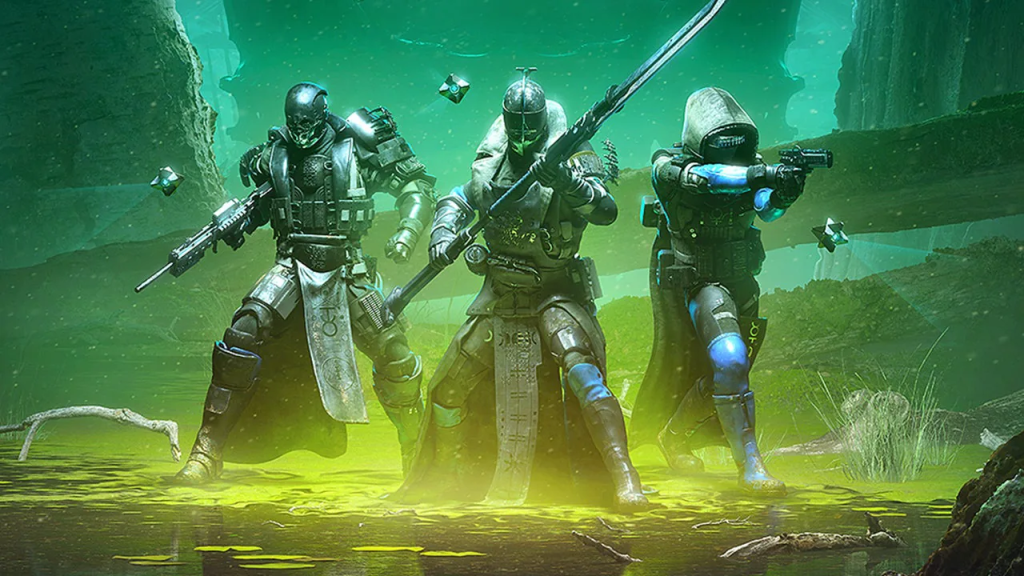
In 2022, Sony acquired Bungie for $3.6 billion, allowing Bungie to retain its independence while receiving a major influx of resources to fund new projects. However, this marked the beginning of Bungie’s downward trajectory, as the studio spread itself too thin between maintaining Destiny and developing new games.
Lightfall – Destiny’s biggest flop
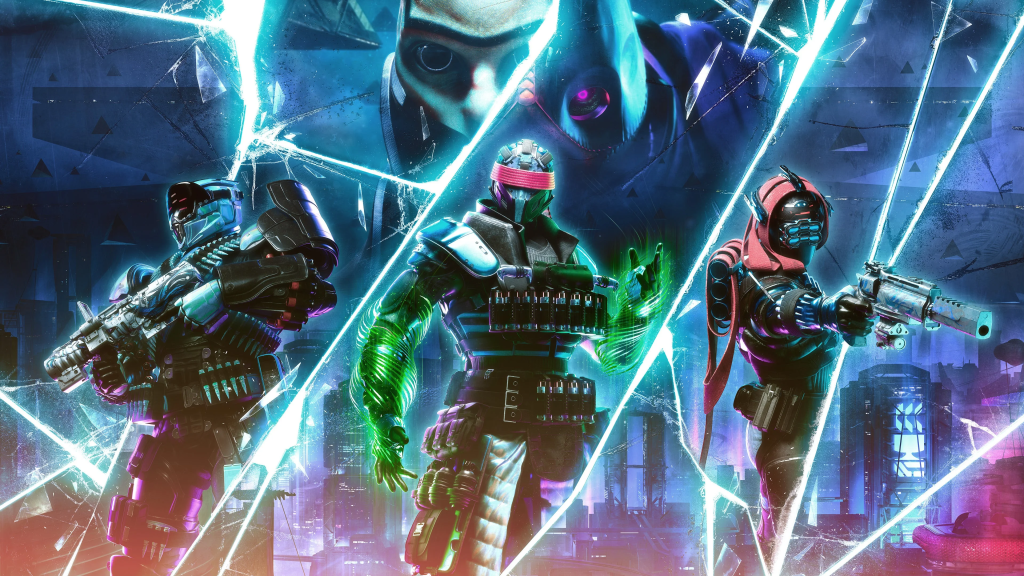
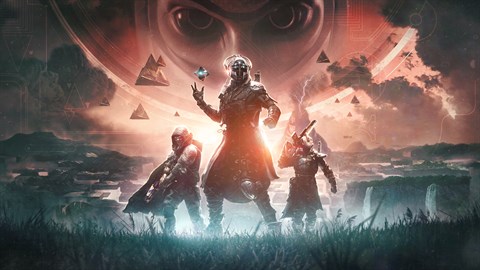
Following the success of The Witch Queen, Bungie’s next big expansion, Lightfall, was one of the most highly anticipated Destiny releases ever. The expansion was marketed aggressively, with Bungie even sponsoring popular streamers to play it live on launch day. However, Lightfall quickly became an example of what happens when a studio prioritizes expansion over quality control.
On release day, Destiny’s servers struggled to handle the influx of players, preventing many from even logging in. While server issues at launch aren’t uncommon, they were only the beginning of Bungie’s problems.
Once players finally got into the game, the response was overwhelmingly negative. The expansion’s storyline was heavily criticized, the new raid was considered one of the easiest in Destiny’s history, and many felt Lightfall lacked the depth and engagement of its predecessor. The raid was beaten in just two hours, a stark contrast to previous raids that often took much longer for the first teams to clear.
While Lightfall technically matched The Witch Queen in scope—featuring a full campaign, a new explorable area, a raid, a strike, and new exotic gear—it failed to deliver on quality, leading to widespread disappointment.
The Iron Triangle
A key concept in project management theory is the Iron Triangle, which balances three core project constraints:
Scope – The size of the project and its deliverables.
Time – The development timeframe.
Quality – The overall standard of the final product.

For Lightfall, the scope remained the same as The Witch Queen, with a one-year development cycle between expansions (same time constraint). However, quality took a major hit, which suggests Bungie mismanaged its resources.
Despite the influx of resources from Sony’s $3.6 billion acquisition, Bungie didn’t expand Lightfall’s scope—likely because the acquisition happened too late in development. However, another major factor was Bungie’s increasing focus on projects outside of Destiny.

With Bungie now investing resources into its Marathon reboot and other unannounced projects, Destiny was no longer the sole priority. As a result, Lightfall suffered from what appeared to be a lack of polish, rushed execution, and underwhelming content.
This is a classic case of a studio stretching itself too thin—something that Hi-Rez Studios, the next subject of this discussion, has also struggled with.
Hi-rez: A portfolio of waste
Hi-Rez Studios, best known for Smite, Paladins, and Global Agenda, has long struggled with balancing innovation and sustainability. As a relatively small studio, Hi-Rez found major success with Smite, a third-person MOBA that carved out its own niche by differentiating itself from genre titans like League of Legends and Dota 2.
By making Smite available on consoles, Hi-Rez was able to expand the MOBA audience beyond PC players—a major advantage over League of Legends, which has remained PC-exclusive for most of its existence. While Smite never reached the massive popularity of its competitors, it still cultivated a dedicated player base and thrived as a free-to-play game with microtransactions.
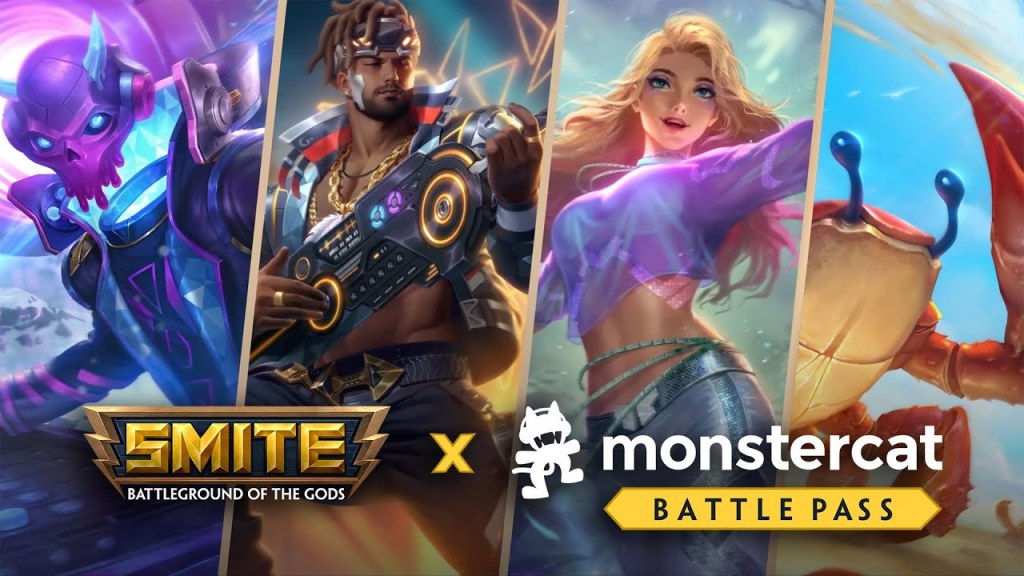

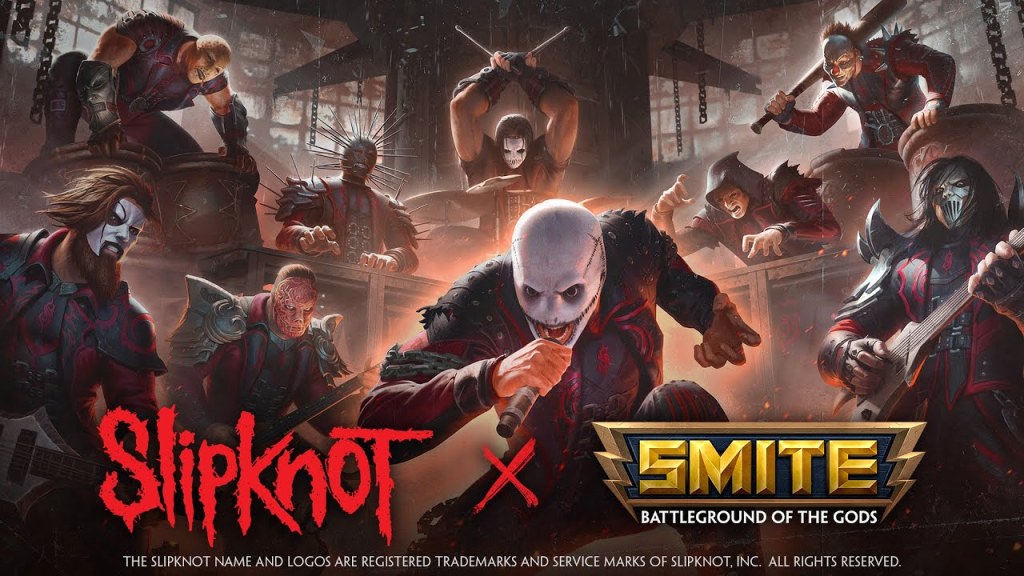
Hi-Rez capitalized on this by securing high-profile collaborations with franchises such as Stranger Things, Transformers, VShojo, and Cartoon Network. However, while the game’s cosmetic content was thriving, Hi-Rez’s actual gameplay management drew heavy criticism, especially as Smite’s meta became dominated by crowd control (CC) mechanics, making it difficult for new players to get into the game.
Spreading Too Thin: Hi-Rez’s Failed Side Projects
Rather than focusing on refining and improving their main games, Hi-Rez Studios spent a significant amount of money and resources on numerous side projects, most of which ended in failure.
Some of the projects Hi-Rez launched—or attempted to launch—include:
Jetpack Fighter
Smite Rivals
Smite Tactics
Realm Royale
Smite Blitz
Rogue Company
Prophecy
Divine Knockout
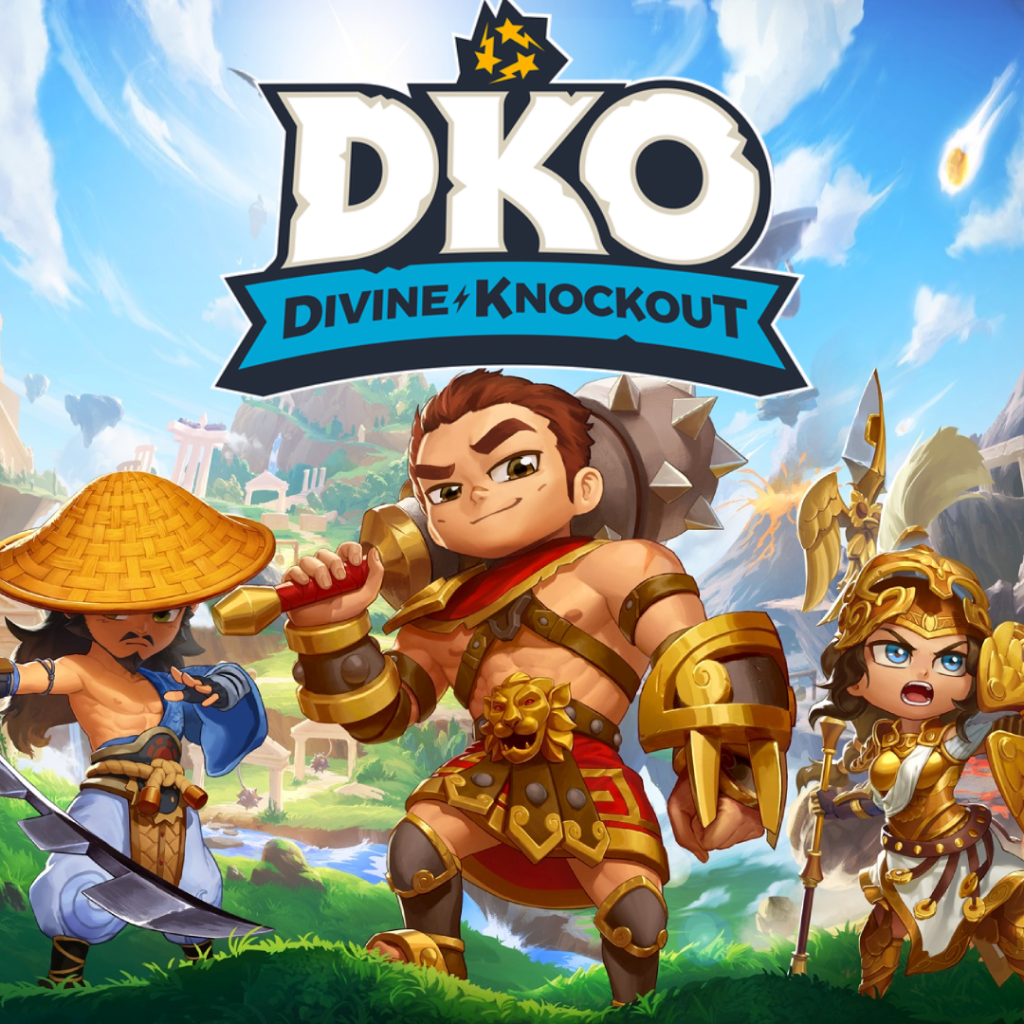
Almost all of these games were either canceled or shut down, with Rogue Company being the sole exception—though it is widely considered a “dead game” today.
A recurring pattern emerged: Hi-Rez continually tried to expand the Smite IP, creating spin-offs rather than investing those resources back into the core game. This strategy ultimately failed, damaging the studio’s reputation while leaving Smite and Paladins starved of resources that could have helped maintain a stronger player base.
Smite 2
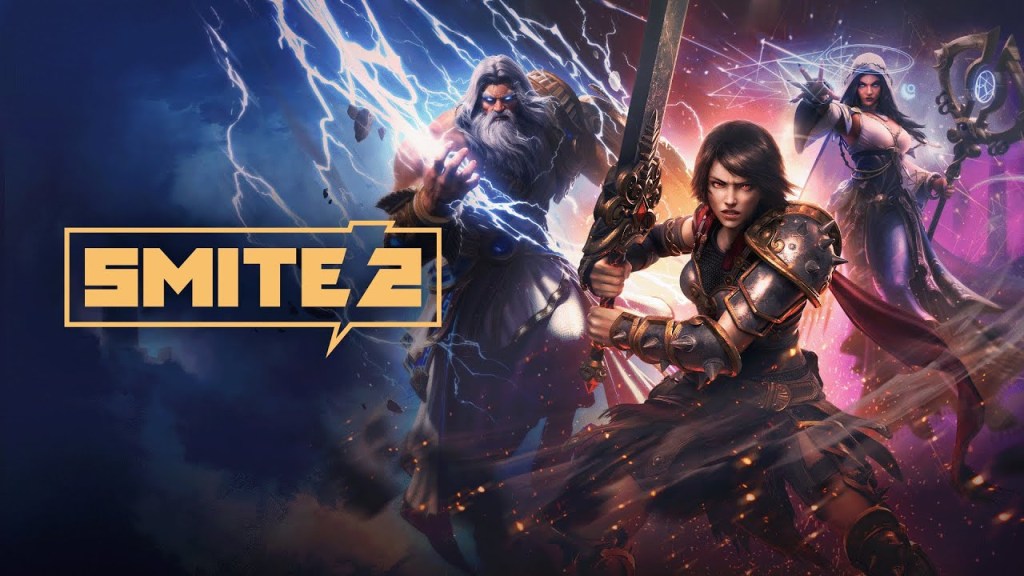
In January 2024, Hi-Rez Studios announced Smite 2, a sequel to their 11-year-old flagship title. The news was met with initial excitement—Smite 1 had been running on the outdated Unreal Engine 3, and the transition to Unreal Engine 5 promised a major technical leap forward.
However, this transition would come with significant sacrifices, creating tension between Hi-Rez and its long-time player base.
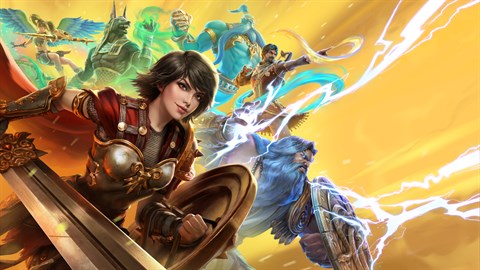
A core appeal of Smite has always been its large roster of playable gods, with over 100 unique characters available. Hi-Rez assured fans that every god would eventually make it into Smite 2, but the transition wouldn’t happen overnight. Furthermore, Smite 2 would introduce new, exclusive gods that would take advantage of mechanics not possible in the older Unreal Engine 3 framework.
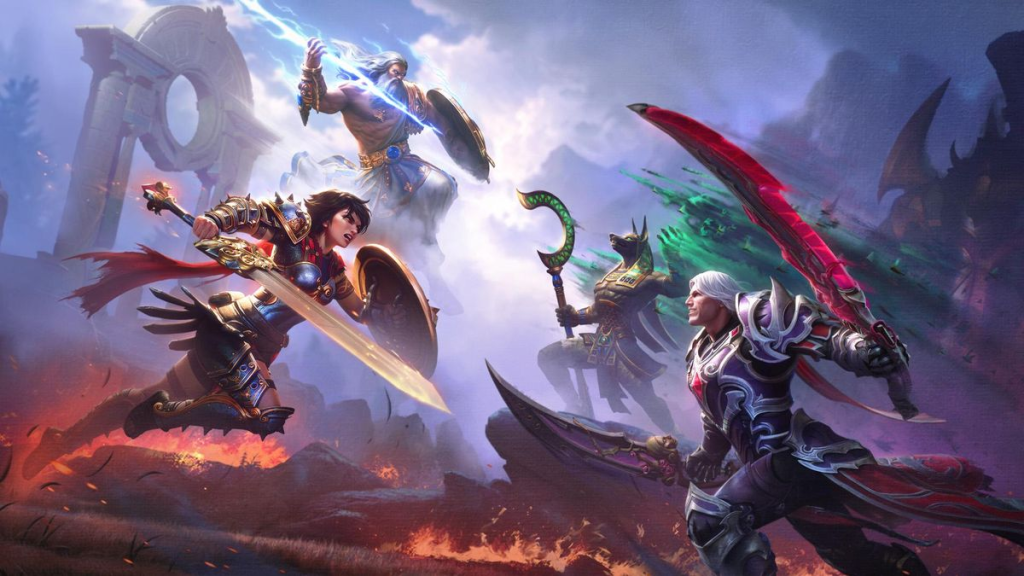
However, the biggest controversy came from the loss of cosmetics.
Over the years, Smite has generated substantial revenue through microtransactions, particularly skins and other cosmetic items. But Hi-Rez announced that none of these skins would carry over to Smite 2—meaning players would lose access to everything they had purchased over the past decade.
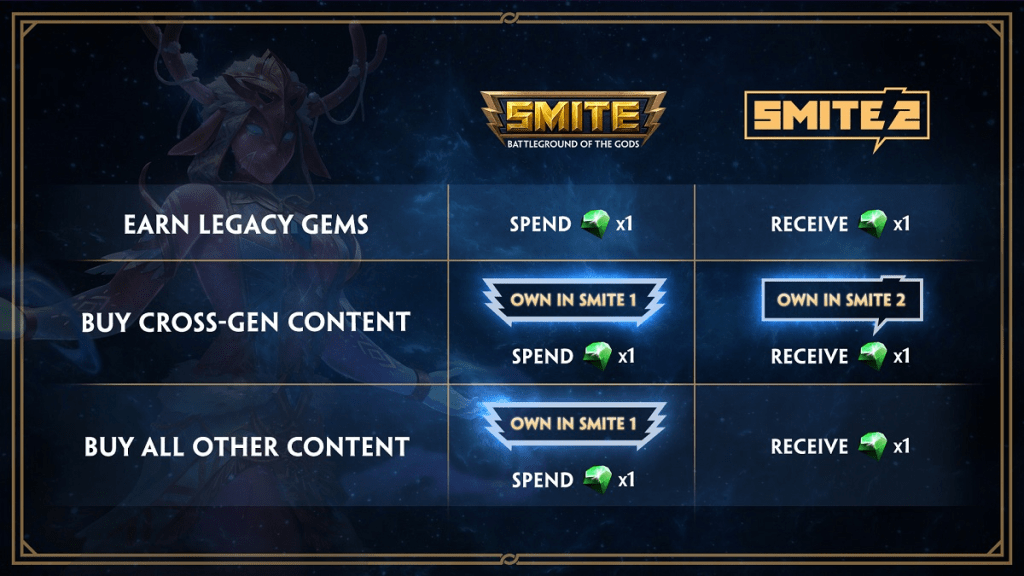
To soften the blow, Hi-Rez introduced Legacy Gems, a currency meant to compensate players for their past purchases. Here’s how it works:
Players would receive Legacy Gems based on how much they had spent in Smite 1. Legacy Gems could be used as a discount for purchases in Smite 2. However, Smite 2 would also introduce a new premium currency, Diamonds, which would be required for purchases.
Legacy Gems could only be used to discount purchases, meaning players still had to spend money on Diamonds to actually use their Legacy Gems. This system effectively turned past purchases into a forced spending incentive—rather than a true transfer of value.
The Pitfalls of Expansion: Bungie, Hi-Rez, and the Need for Justification
Both Bungie and Hi-Rez Studios pursued expansion strategies by investing in multiple projects, hiring more staff, and attempting to diversify their portfolios. However, these efforts have often resulted in financial losses, PR disasters, and mass layoffs.
Expanding into new projects can be a smart business move, allowing companies to reach new audiences and create additional revenue streams. However, for this to work, projects need to be:
Developed in the right environment
Justified by a strong business case
Creating something just for the sake of making it is not a sustainable business model—a core concept in PRINCE2, a widely used project management methodology.
PRINCE2 and the Importance of Business Justification
PRINCE2 (Projects IN Controlled Environments) was originally developed by the British government as a best practice framework for IT projects. While the video game industry rarely uses PRINCE2, its adaptability and structured approach make it an ideal fit for game development.
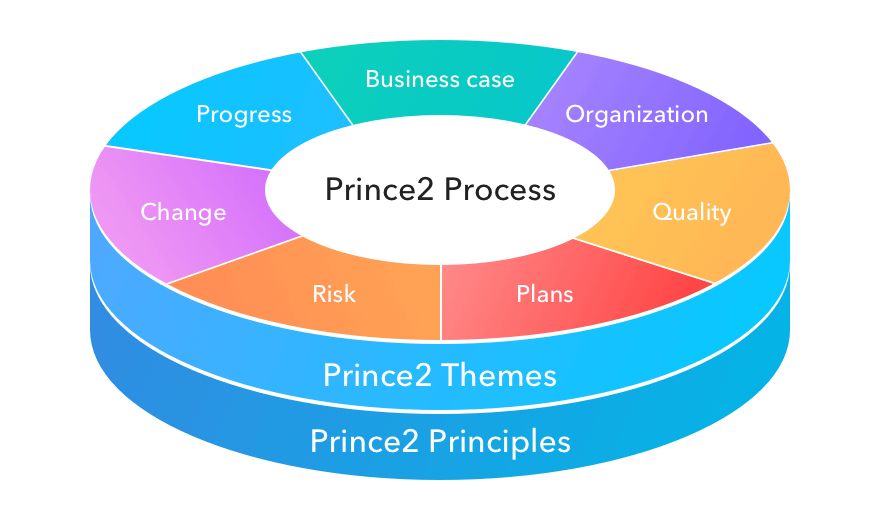
One of PRINCE2’s core principles is:
“Ensure continued business justification”
Projects must be constantly evaluated against the initial business case to determine if they remain viable and valuable.
Had Hi-Rez applied this principle, many of their projects would have never progressed past the early concept stage.
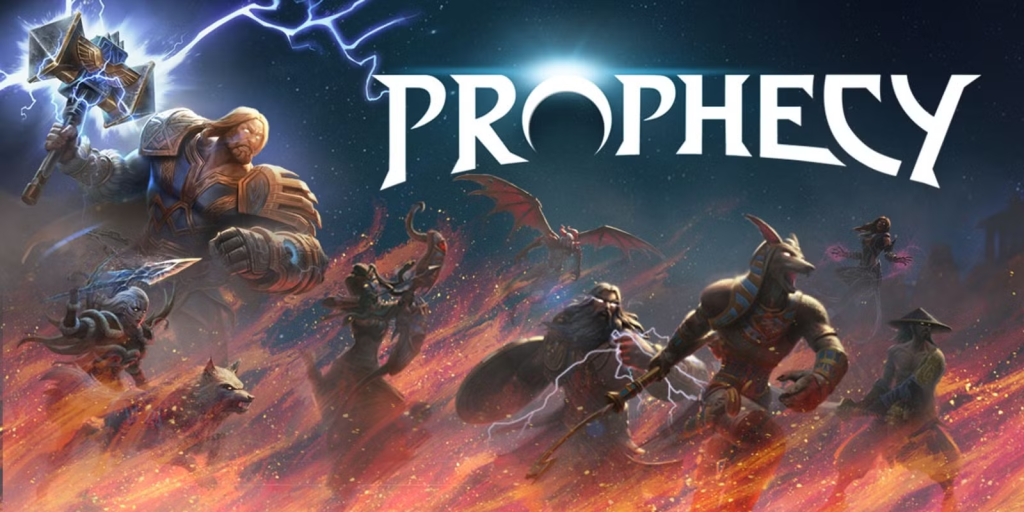
One of Hi-Rez’s most ill-fated projects was Prophecy, a Smite-themed auto chess battler, designed to compete with Teamfight Tactics (TFT).
However, unlike Smite, which succeeded by offering a third-person take on MOBAs, Prophecy had no real differentiation—it was simply a reskinned version of TFT with Smite branding.
This lack of unique identity meant that Prophecy never had a real market niche. Instead of being scrapped early on, it was fully developed into an early access title, only to be shut down just over a month later.
This was a complete waste of time and resources—one that could have been avoided through proper business justification and risk assessment.
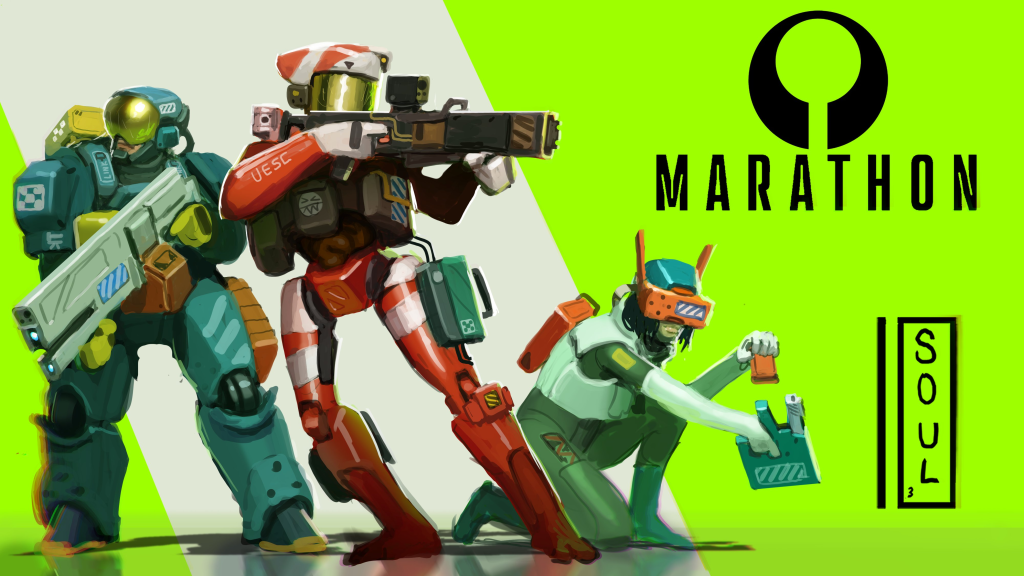
Unlike Hi-Rez, Bungie has kept most of its cancelled projects under wraps, but one major investment stands out—Marathon.
Marathon is an extraction shooter, competing with games like:
Escape from Tarkov
Helldivers 2
The Finals
Bungie has already allocated significant resources to Marathon, but its success is uncertain. If Marathon fails to differentiate itself and carve out a unique space in the market, it will likely become another wasted project.
The Shareholder Illusion: Why More Projects Don’t Always Mean More Success
Another key reason why studios invest in multiple projects is that it looks good to shareholders. On the surface, a studio with multiple revenue streams appears more profitable, adaptable, and sustainable than one relying on a single flagship game.
However, the video game industry operates differently from other entertainment sectors like movies.
Film Industry Model:
A movie studio is expected to constantly release new projects, similar to how Marvel operates.
Each release is a one-time product with a limited monetization window.
Video Game Industry Reality:
Live service games generate long-term revenue through microtransactions, battle passes, and expansions. Success depends on maintaining an active player base, not just launching new games
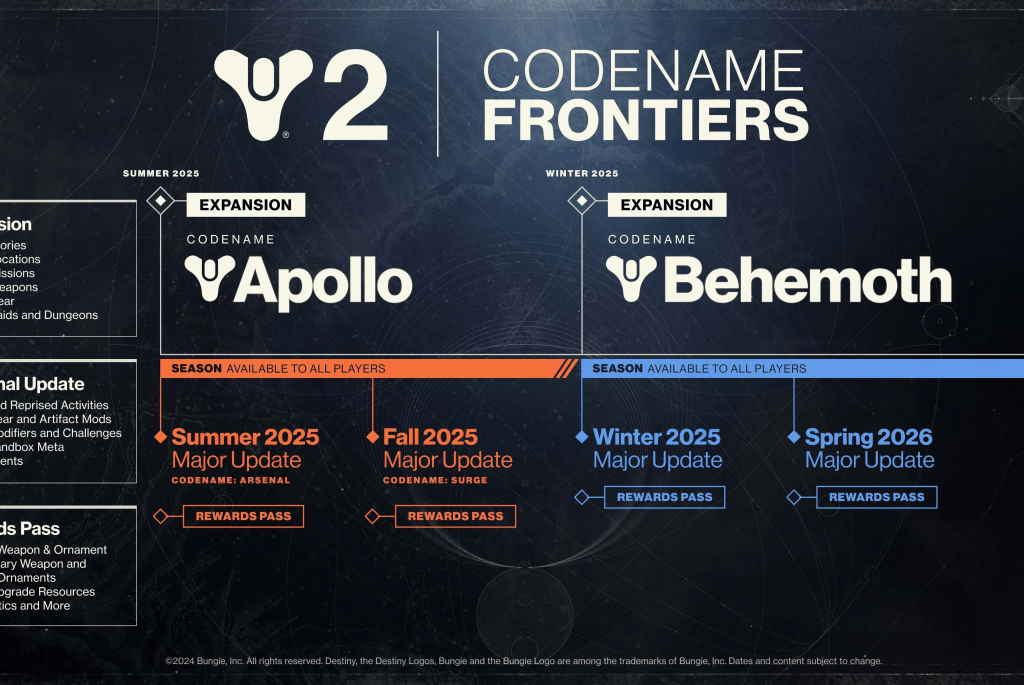
The Fallacy of “Autopilot” Live Service Games
Some shareholders and executives falsely believe that live service games can be put on autopilot, continually generating revenue without ongoing investment in quality updates. This mindset is dangerously flawed.
On paper, Lightfall matched the previous expansion The Witch Queen in content and scope.
Same number of missions
Same seasonal content model
Similar marketing push
Yet, Lightfall was widely criticized by players and considered one of the worst Destiny expansions—not because it lacked content, but because the quality of that content was lower. This shows that quality matters more than raw output
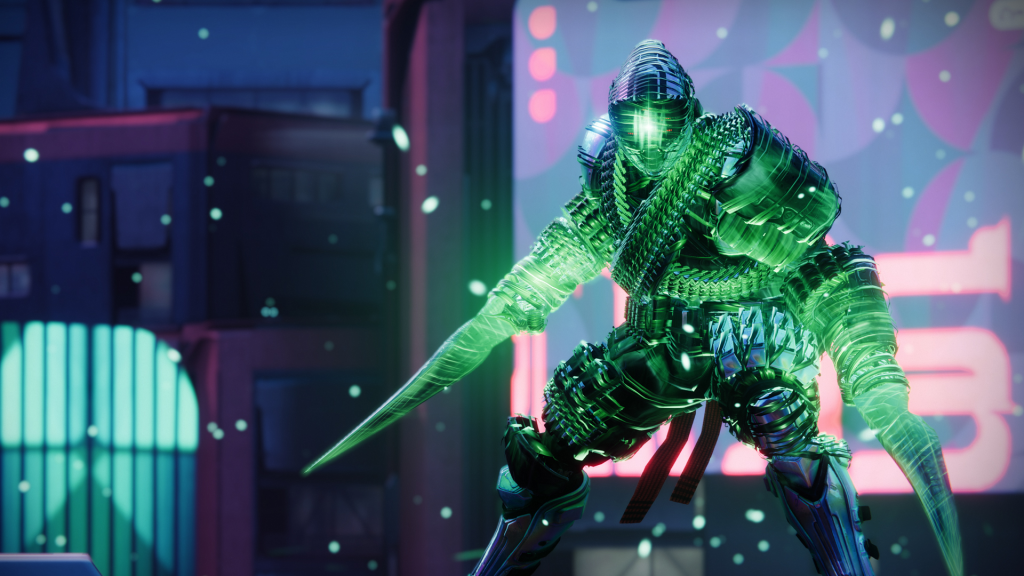
The Price of Overextension: Why Quality Suffers
For a studio to maintain quality, it needs:
Resources (staff, funding, infrastructure)
Time (to polish, refine, and test)
However, if a company is forced to juggle multiple projects, these elements become stretched too thin. Instead of producing one or two well-crafted games, studios risk releasing several half-baked, forgettable experiences.
Both Bungie and Hi-Rez fell into this trap by spreading themselves too thin. If Bungie had dedicated all their resources to improving Destiny 2 rather than diverting talent to Marathon, they might have avoided the backlash from Lightfall.
Final Thoughts: The Need for Focus
To succeed in the modern gaming industry, studios must resist the temptation to chase multiple projects just for the sake of shareholder optics.
More games don’t always mean more profit.
Live service games need constant attention to thrive.
Focusing on fewer, high-quality titles leads to greater long-term success.
The video game industry is fast-paced and unforgiving—player bases can abandon a game overnight if they feel neglected. Studios must recognize that consistent engagement and strong communities are more valuable than a bloated portfolio of unfinished ideas
Join the conversation
Please feel free to give me any feedback either in the comments below or you can find me on twitter @TimPMInsights where I post regular insights, statistics and just my general thoughts on video games and similar industries.
Enjoy my blogs? You can can always leave a like and subscribe (it’s free)so whenever I release something new you’ll get it straight to your email inbox. It’s much appreciated!

References
“Hi-Rez Studios The Official Website of Hi-Rez Studios Alpharetta GA”. Hirezstudios.com.
Maas, Jennifer (July 31, 2024). “PlayStation’s Bungie to Lay Off 220 Staffers, About 17% of Workforce”. Variety.
IGN Staff (June 19, 2000). “Microsoft Buys Bungie, Take Two Buys Oni, PS2 Situation Unchanged”
“Bungie signs 10-year Activision deal”. gamesindustry.biz. April 29, 2010.
“Destiny to Be Self-Published by Bungie After Split from Activision”. Game Rant. January 10, 2019.
“Sony completes $3.6 billion deal to buy Bungie”. Engadget. July 15, 2022.
Subhan, Ishraq (February 3, 2022). “Sony will spend $1.2bn on retaining Bungie staff”. Eurogamer.
“What is PRINCE2®?”. AXELOS.
David Hinde (2012). PRINCE2 Study Guide. John Wiley & Sons. p. 16. ISBN 978-1-119-97097-2.
 Tim Browne - Consultant and Researcher for Creatives