
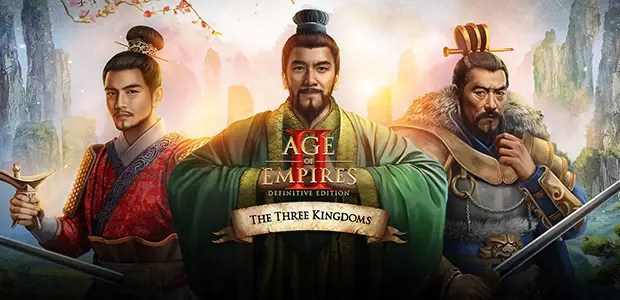
Age of Empires II has been a cornerstone of my gaming life.
It was a crucial part of my childhood and remains a title I keep coming back to, even decades later. Since the release of the Definitive Edition in 2019, we’ve seen several expansions breathe new life into this classic but the recent release of The Three Kingdoms promises to be the biggest update since The Conquerors, which came out over twenty five years ago.
As someone who plays Age of Empires II regularly and follows the game’s evolution closely, I wanted to share my thoughts on this new expansion, how it compares to those that came before, and whether it’s worth the £15 price tag.
Controversy
There’s no better place to start than with the criticism and controversy this expansion has received. With fifty civilizations now available in Age of Empires II, the game is starting to suffer from overinflation. The addition of the Three Kingdoms — Shu, Wei, and Wu — has drawn pushback for several reasons.
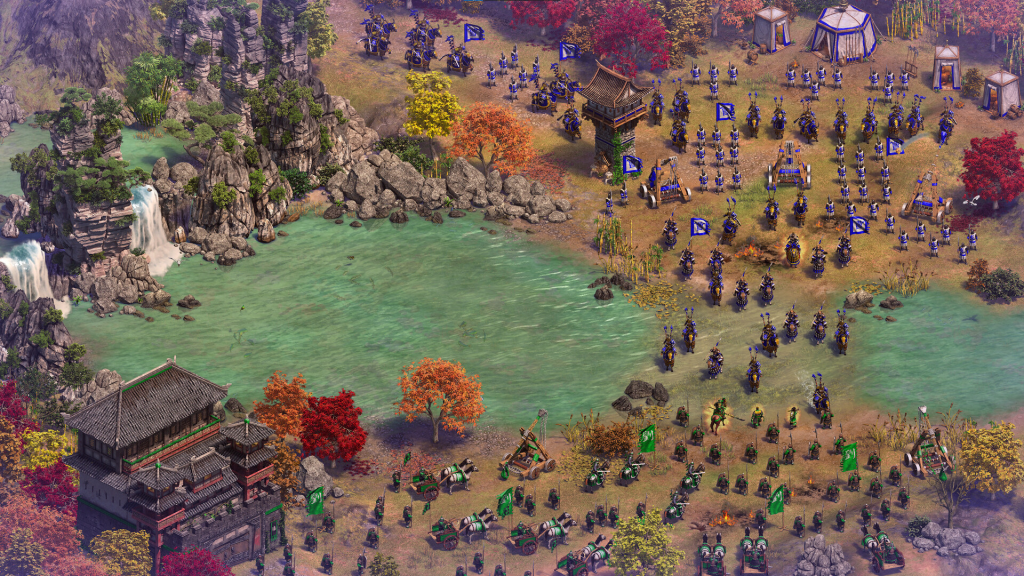
First, they fall outside the traditional timeframe of Age of Empires II, and second, they aren’t really “civilizations” in the historical sense. While timeline concerns don’t personally bother me much after all, we already have the Romans and Huns, both of which sparked debate what does stand out to me is the question of why these specific additions were made.
Why are the Three Kingdoms included, especially when the game already features the Chinese civilization?
My theory is that this expansion may have originally existed as two separate ideas. On one side, a Chronicles-style single player expansion focused on the Three Kingdoms; on the other, a multiplayer-focused release featuring the Jurchens and Khitans. At some point in development, the two may have been combined, either for marketing appeal or to streamline production.
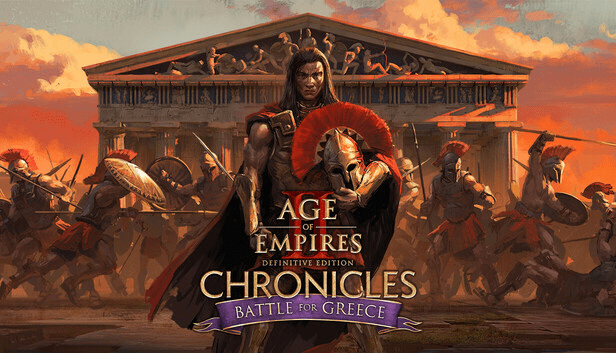
We’ve already seen that Chronicles: Battles of Greece struggled commercially, likely due to being entirely single player focused. Even though the campaign content was strong, Age of Empires II has a majority multiplayer community, and the recent focus on single player DLC has only increased the demand for new competitive content.
Meanwhile, an expansion featuring only the Khitans and Jurchens might have underperformed in sales, particularly because those civilizations are less well known to Western audiences. By combining them with a widely recognizable setting like Three Kingdoms China, the developers created a package that’s much more marketable even if that approach may have diluted its historical or mechanical focus.
The New Civilizations
This expansion adds five new civilizations, the largest number added in a single release since The Forgotten, which also introduced five (although the Indians were later split into four separate civilizations in dynasties of India).
The Three Kingdoms civilizations — Shu, Wei, and Wu — introduce a few new mechanics, most notably the inclusion of hero units. Personally, and I believe many in the community would agree, this feature feels unnecessary. While I don’t think the hero units are particularly overpowered, their presence feels out of place in the standard Age of Empires II experience.
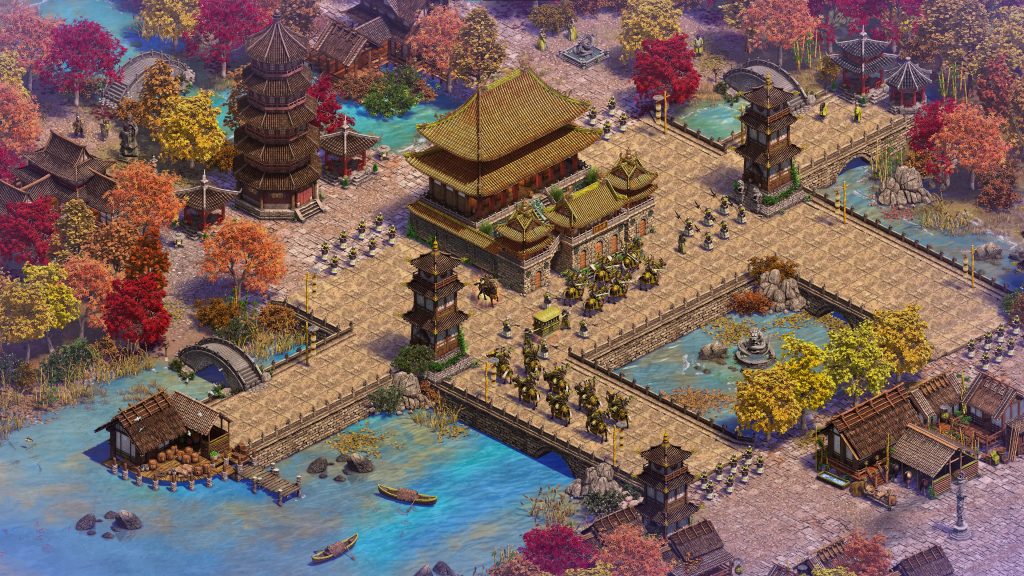
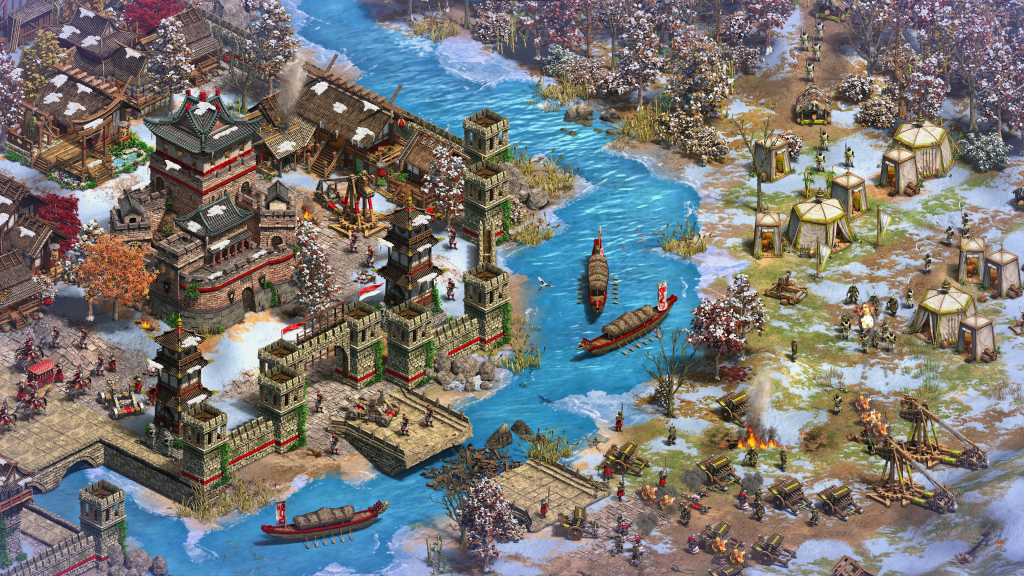
To balance their inclusion, the Three Kingdoms civilizations do not have access to trebuchets, the traditional late-game siege option. Instead, they are given a more mobile but less powerful alternative, available through the siege workshop. This change slightly alters their late-game playstyle and encourages a more flexible, aggressive approach, but it may not be a welcome shift for all players. I think lacking the trebuchet gives them a significant disadvantage in early imperial age as they can’t pressure castles as easily as other civilizations.
Jurchens
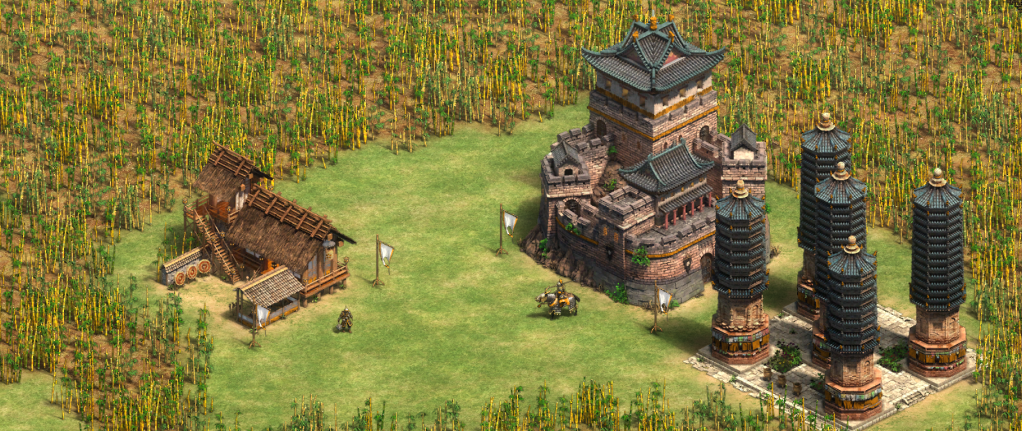
The Jurchens are my personal favorite among the new civilizations. Their cavalry-focused playstyle, combined with access to fire lancers and rocket carts, makes them one of the best civs to showcase and enjoy most of the new content introduced in this expansion.
Their unique technology, Thunderclap, is particularly interesting, it functions similarly to Martyrdom, triggering effects when your units die. While the concept is cool, I feel the damage output isn’t quite strong enough to make it reliable. It’s a high-risk mechanic that depends on losing units, which makes its tactical value questionable in more serious matches.
The Jurchens lack access to the standard Knight line, but this is offset by their unique Iron Pagoda unit, which fills the heavy cavalry role effectively. They also gain access to the Grenadier, a fun and powerful unit that performs well against infantry and siege rams when massed.
Khitans
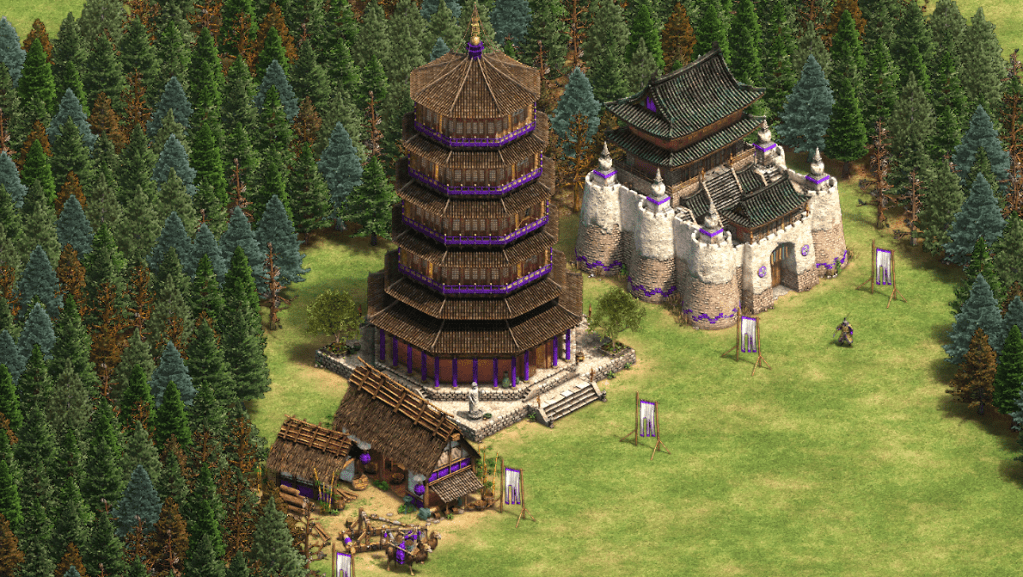
The Khitans bring a few new mechanics to the table, most notably the Liao Dao, a unique unit that applies a bleed effect, something we haven’t seen in Age of Empires II before. While interesting in concept, I don’t think it’s particularly useful in most situations, other than perhaps countering healing from Monks or Berserks. Its niche utility makes it more of a novelty than a core strategy tool.
A more defining feature for the Khitans is the Pasture, which replaces the traditional Farm. Unlike the standard 60 wood cost, the Pasture costs 100 wood but can be worked by two villagers and does not require food drop-off at a Mill or Town Center. It’s a functional eco change, but the higher upfront cost can really hurt in the early game if you’re not prepared for it. It demands a bit more planning and resource control in the opening stages of a match.
That said, I have to say, if we get one more civilization with the bonus “get [unit] one age earlier,” I might genuinely pull my hair out. In this case, the Khitans gain access to Heavy Cavalry Archers in the Castle Age, and honestly, I find this kind of bonus uninspired and stale. It doesn’t add much to gameplay other than slightly accelerating a strategy that already exists.
Shu

The Shu are the first of the Three Kingdoms civilizations and arguably have the most toys to play with in this expansion. Right out of the gate, they come with one of the strangest bonuses in the game, lumberjacks generate food. It’s a bizarre and frankly nonsensical mechanic; I tried them on black forest and the bonus really allows you to heavily focus on wood and gold and still have enough food to keep growing your economy.
On the military side, though, the Shu offer a lot of variety. Their White Feather Guard is an infantry unit that can apply a slow effect, which adds a layer of tactical control. They also feature the war chariot, a scorpion-line replacement with two distinct fire modes, which feels like a creative and welcome addition to the unit sandbox.
One of the more notable upgrades comes from their unique technology, which allows both war chariots and archers to fire additional bolts. This gives the Shu one of the strongest late-game arbalests in the entire game, making them a powerhouse in prolonged conflicts, especially when massed.
Overall, the Shu feel overloaded with mechanics, but if you’re someone who enjoys variety and late-game strength, they’re probably the most fun and flashy of the new civilizations, even if their eco bonus makes zero historical or logical sense.
Wei
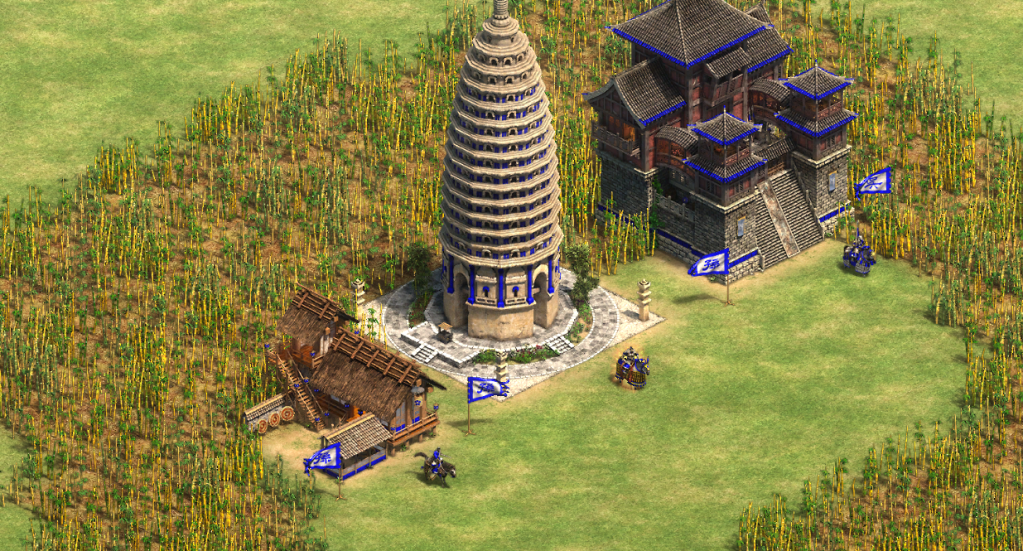
The Wei represent the cavalry-focused kingdom of the Three Kingdoms trio. Their economic bonus grants one free villager for every Mill, Lumber Camp, and Mining Camp technology researched. This is an incredibly efficient bonus that can give them a noticeable lead in the Feudal Age, allowing them to snowball eco and military production much faster than most civs.
Their unique unit, the Tiger Cavalry, is a standout addition. It becomes stronger as it defeats enemies, gaining bonus stats after each kill. With enough momentum, it can even out scale a Paladin, becoming one of the strongest individual cavalry units in the game if it racks up four kills.
The Wei also receive several other cavalry-related bonuses, and their hero unit, Cao Cao, provides an attack speed boost to nearby units. Combine this with massed Tiger Cavalry and standard cavalry support, and you have what is likely the most dangerous late-game deathball introduced in this expansion.
The Wei feel focused, aggressive, and extremely threatening when played with momentum, a strong civ for players who enjoy powerful cavalry pushes and scaling strength into the late game.
Wu
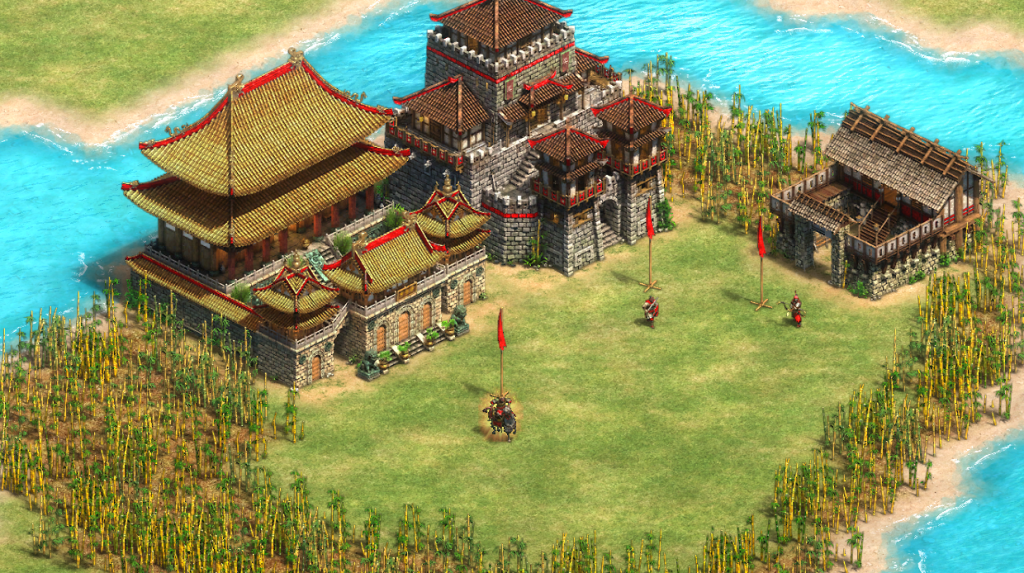
The Wu round out the Three Kingdoms civilizations as the infantry and naval-focused kingdom, and they come with some of the most creative unit mechanics introduced in this expansion.
Their standout unique unit is the Fire Archer — a unit that is statistically weaker than the regular archer line in most aspects, but comes with a secondary attack that is specifically designed to target buildings and ships. This secondary mode also grants increased range, allowing Fire Archers to outrange castles. When massed, they can be a serious threat to static defences, effectively compensating for the Wu’s lack of trebuchets.
They also have the Jian Swordsman, a durable infantry unit with a dual-phase mechanic. It spawns in an armoured form, and when reduced to low health, the armour breaks, transforming the unit into a faster and stronger version. This design is reminiscent of the Bulgarian Konnik, which dismounts upon death, though the Jian stays alive and active through the transition. Add in the Wu’s infantry regeneration bonus, and you get a survivable, high-impact melee unit with some tactical flexibility.
Altogether, the Wu offer some creative play styles their another infantry civilisation and the game already has more than enough.
Final Thoughts
Overall, I find myself feeling extremely mixed about The Three Kingdoms expansion. On paper, this is the most content-rich expansion Age of Empires II has received in years — five new civilizations, multiple new mechanics, and some meaningful sandbox additions. But in execution, it doesn’t quite feel as fresh or inspired as previous expansions like The Mountain Royals.
One of the biggest letdowns for me is the lack of unique identity in the new civilizations. All five factions use the same voice lines as the base Chinese civilization, which makes them feel less distinct, especially given the cultural and regional differences between Shu, Wei, Wu, and the existing Chinese civ. Were there truly no available dialects or regional variants that could have been used to add more flavour?
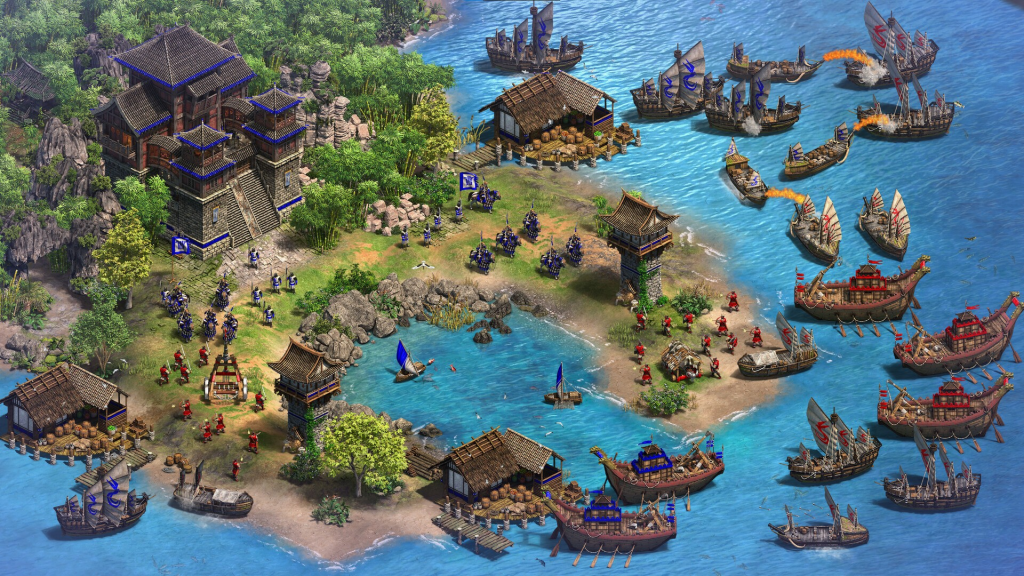
From a design perspective, I can’t help but feel this expansion was more about marketing and quantity than creative ambition. I personally would have preferred to see a Tibetan civilization or a more focused single theme, rather than a somewhat stitched-together combination of Three Kingdoms lore and steppe civilizations.
That said, there is still value here for the dedicated player. If you’re an avid Age of Empires II fan, especially someone who enjoys keeping up with competitive or ranked play, you’ll probably end up buying this expansion simply to stay up to date. But for more casual players, I don’t believe these five new civilizations justify the £15 price tag.
It’s also worth noting that I haven’t had the chance to explore the single player content yet, so this review focuses entirely on the multiplayer and sandbox elements. I’ll be sure to post a follow-up once I’ve experienced the campaigns so take this verdict with that in mind.
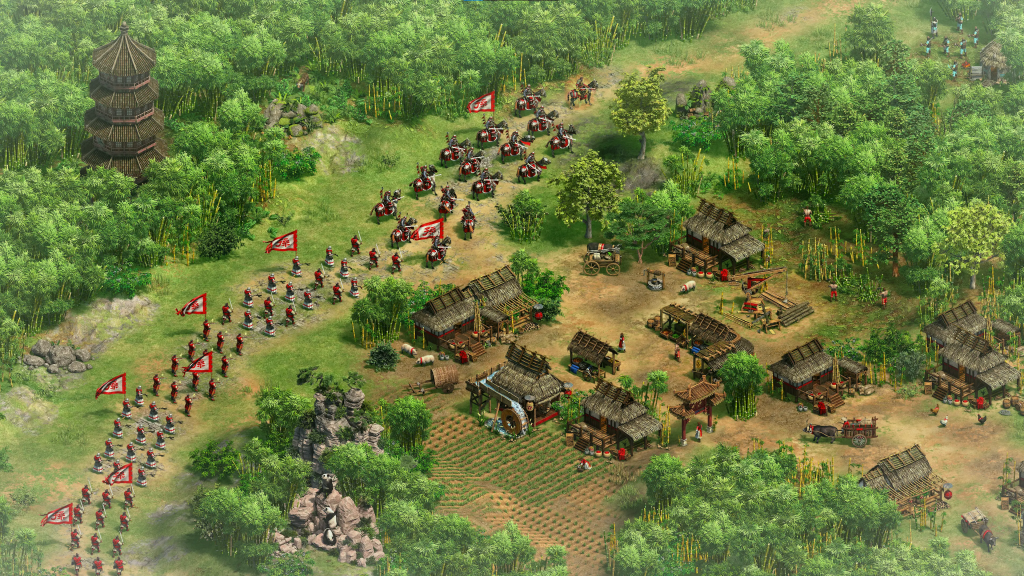
Final Grade: C+
The expansion matches previous DLCs in size and scope, but the overall quality and creativity of the civilizations doesn’t quite reach the standard set by earlier releases.
Join the conversation
Please feel free to give me any feedback either in the comments below or you can find me on twitter @TimPMInsights where I post regular insights, statistics and just my general thoughts on video games and similar industries.
Enjoy my blogs? You can can always leave a like and subscribe (it’s free)so whenever I release something new you’ll get it straight to your email inbox. It’s much appreciated!

 Tim Browne - Consultant and Researcher for Creatives