

This was supposed to be the magnum opus for Sports Interactive; the moment Football Manager finally took a huge step forward as the definitive sports management simulation. Instead, it’s turned into the studio’s most damaging PR disaster in its 30-year history.
Originally known as Championship Manager, Football Manager has long been Sports Interactive’s flagship series and a lifelong addiction for countless football fanatics, myself included. The game puts players in the shoes of a football manager, handling tactics, transfers, and the day-to-day operations of a club, all built around a player database so detailed that even real-life football clubs use it.
Although the series follows an annual release cycle similar to FIFA (now EA Sports FC), Football Manager has always stood apart by avoiding microtransactions and excessive add-ons — aside from a one-time purchase for the in-game editor. This approach earned Sports Interactive significant praise and goodwill in an industry often criticised for rushed releases and overpriced DLC.
However, much of that goodwill now seems to be slipping away with the release of Football Manager 2026.
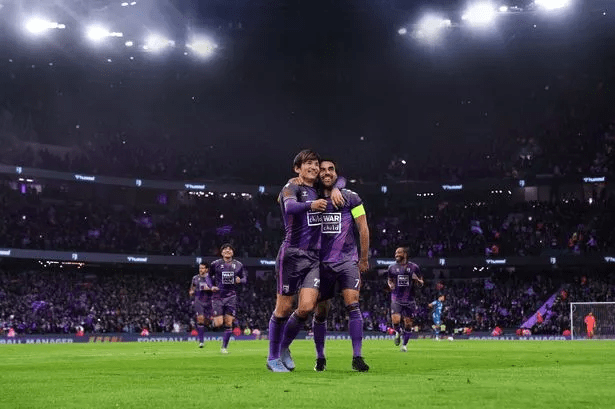
To rewind a little, Sports Interactive had announced that Football Manager 2025 would mark a major shift for the series — moving the game to the Unity engine. It was an ambitious undertaking that promised to completely overhaul the foundations of the franchise. Initially scheduled for release in November 2024, FM25 was first delayed to March 2025 before being abruptly cancelled altogether.
It soon became clear that the transition to Unity had proven far more difficult than Sports Interactive anticipated. The studio admitted it would need to effectively take a year off from its traditional annual release cycle to get the game to where they wanted it to be. While fans were disappointed, Sports Interactive had built up enough goodwill over the years that most were willing to give the developers the benefit of the doubt and wait patiently for Football Manager 2026, now set for a November 2025 release.
It’s still unclear who ultimately made the call to cancel FM25 — Sega or Sports Interactive. It’s entirely possible that Sports Interactive originally wanted to cancel the game and take a year off, but pressure from Sega forced their hand to try and patch something together for release. In the end, it simply wasn’t possible to deliver a serviceable product in time.
Football Manager 2026 released on November 4th and is currently sitting on a “Mostly Negative” review score on Steam. Players have cited the lack of match statistics, a clunky user interface, and countless bugs as major sources of frustration. One review summed up the sentiment bluntly: “The obvious move to get the bag from a console market that doesn’t exist.”
The criticism largely centres on FM26’s attempt to bridge the gap between console and PC audiences. In recent years, Football Manager has made a push into the console market with some moderate success, but this latest release seems to have alienated its long-time PC fanbase. Many strategy franchises — such as Age of Empires, Civilization, and Stellaris — have produced console editions, but these versions typically serve as simplified companions to their mainline PC releases. FM26, however, appears to have prioritised console accessibility at the expense of the series’ depth and complexity — the very qualities that defined its identity for decades.

The transition to Unity has showcased nothing but poor project management from Sports Interactive. From business justification to risk assessment, the studio seems to have misjudged every step. There was little practical need to invest so many resources into a full engine overhaul, Football Manager was selling well and thriving as a niche, detail-oriented simulation. Even with its push toward consoles, the franchise was already growing steadily. In reality, casual players are far more likely to prioritise EA Sports FC as their football fix. Football Manager’s strength has always been its complexity, a game built for football fanatics who value depth, realism, and data above accessibility.
It’s unclear whether this engine shift came from the creatives at Sports Interactive wanting to breathe new life into the series, or from the executives pushing to expand into a broader market. Either way, the result illustrates the need for balance between creative ambition and corporate direction, without it, one side risks steering the project off the road entirely. The obsession with constant growth and market expansion — the economist’s mindset has become harmful to the video game industry. Ironically, profit margins have continued to shrink despite these efforts, proving that what the industry needs now is fewer economists and more alchemists: people who can turn passion and creativity into lasting value.
So much of this could have been prevented with proper risk management application, it is not possible to keep up your annual release cycle and completely overhaul the engine. You’ll need to teach your team new skills, you’ll need to onboard new people proficient in Unity, you’ll need to anticipate setbacks and delays. Evidently Sports Interactive have done none of this, there was no Black Swan that has came out of nowhere and derailed the team, all of this could have been predicted from day 1.
Join the conversation
Please feel free to give me any feedback either in the comments below or you can find me on twitter @TimPMInsights where I often share my general thoughts on video games and similar industries.
Enjoy my blogs? You can can always leave a like and subscribe (it’s free) so whenever I release something new you’ll get it straight to your email inbox. It’s much appreciated!

 Tim Browne - Consultant and Researcher for Creatives