
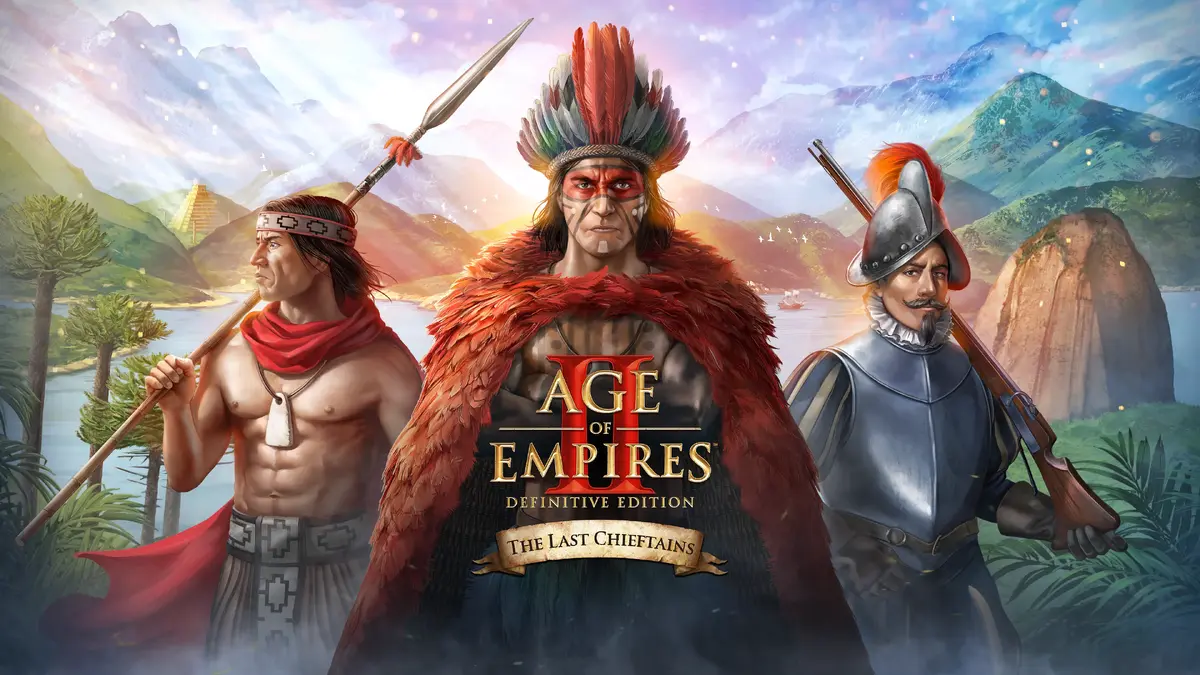
User-generated content (UGC) is often framed as a nice-to-have or a community perk in gaming. But the story of Age of Empires II shows that UGC can be a de facto market test, incubator of talent, and essential signal of long-term value even convincing a major publisher to revive a dormant franchise.
In an era where franchises are increasingly revived, remastered, and monetised, the lessons from Age of Empires II matter now more than ever. UGC isn’t just an add-on. It’s a core feedback mechanism that can validate demand, shape product decisions, and even reshape how companies think about their own IP.
The Silent Years: A Community Keeps a Game Alive
Age of Empires II was released in 1999 and enjoyed enormous popularity throughout the early 2000s. After its official expansions and patches faded out, the game remained playable but only thanks to a dedicated community. For nearly a decade, players continued to organize multiplayer matches, share strategies, and keep the game alive using third-party tools, community servers, and unofficial patches. This was in an era before Steam Workshop or built-in mod support, and long before modern UGC platforms such as Roblox or Halo Forge existed.
Players weren’t paid. They weren’t contracted. They simply loved the game and they kept it alive themselves. That sustained engagement, unprompted by the publisher, proved that Age of Empires II was more than a nostalgia act. It was an ecosystem with ongoing demand and cultural relevance.
Forgotten Empires: When Fans Become Creators
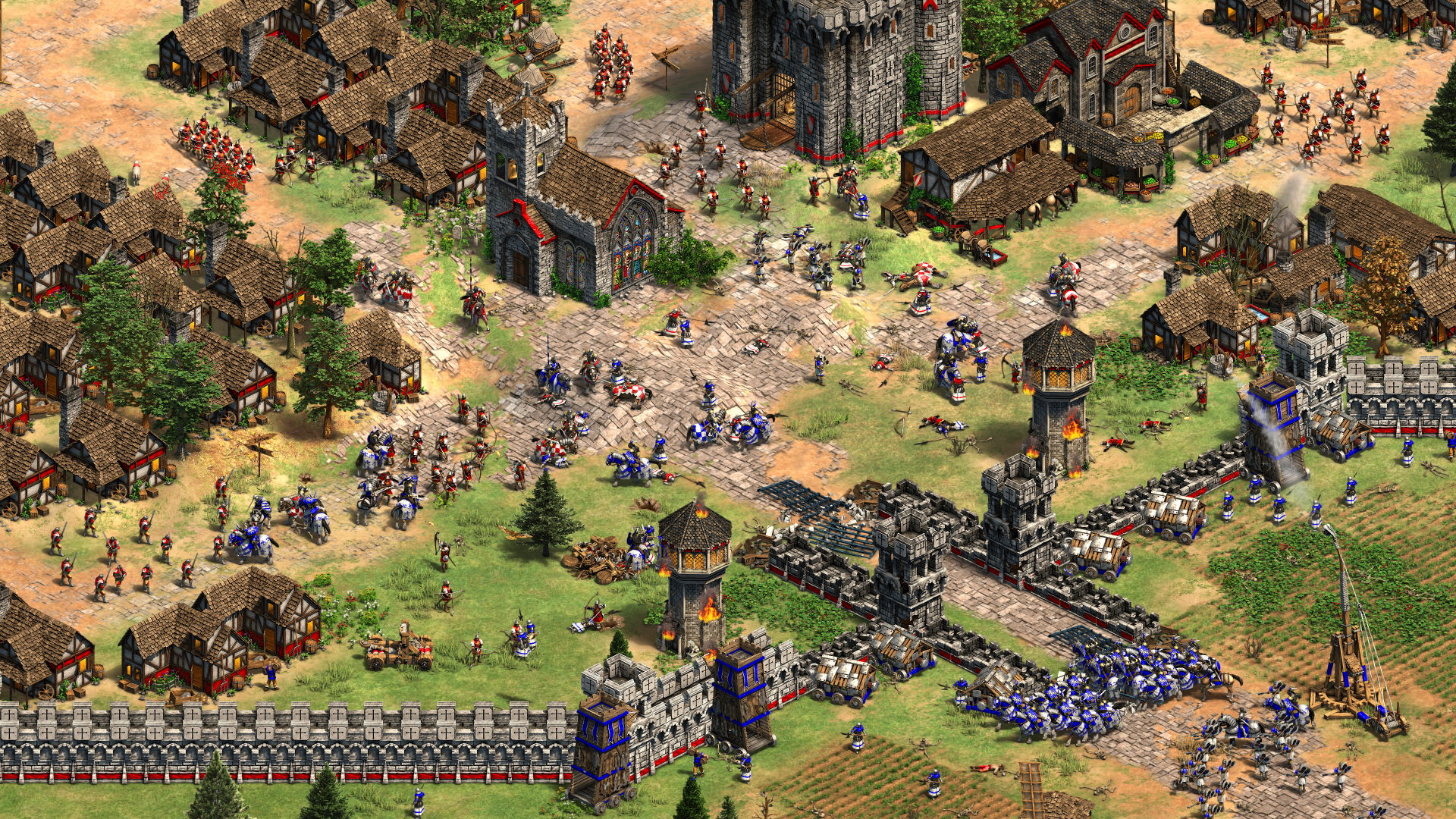
In late 2012, a group of devoted Age of Empires II players released a major fan expansion called Forgotten Empires, an unofficial add-on featuring new civilizations, campaigns, balance improvements, and other content. Released on December 28, 2012, the mod far exceeded expectations, garnering rapid downloads and community enthusiasm.
What started as a fan project quickly became something more. Microsoft, already planning a re-release of Age of Empires II HD on Steam, took notice. Rather than dismiss the modding team, Microsoft partnered with them, turning Forgotten Empires into an official expansion pack: Age of Empires II HD: The Forgotten, released on Steam on November 7, 2013.
This is one of the clearest historical examples of UGC validating a game’s continued relevance. The community didn’t just make new content it demonstrated that the title still had life, value, and a ready-made audience.
Beyond One Mod: A Continuing Legacy
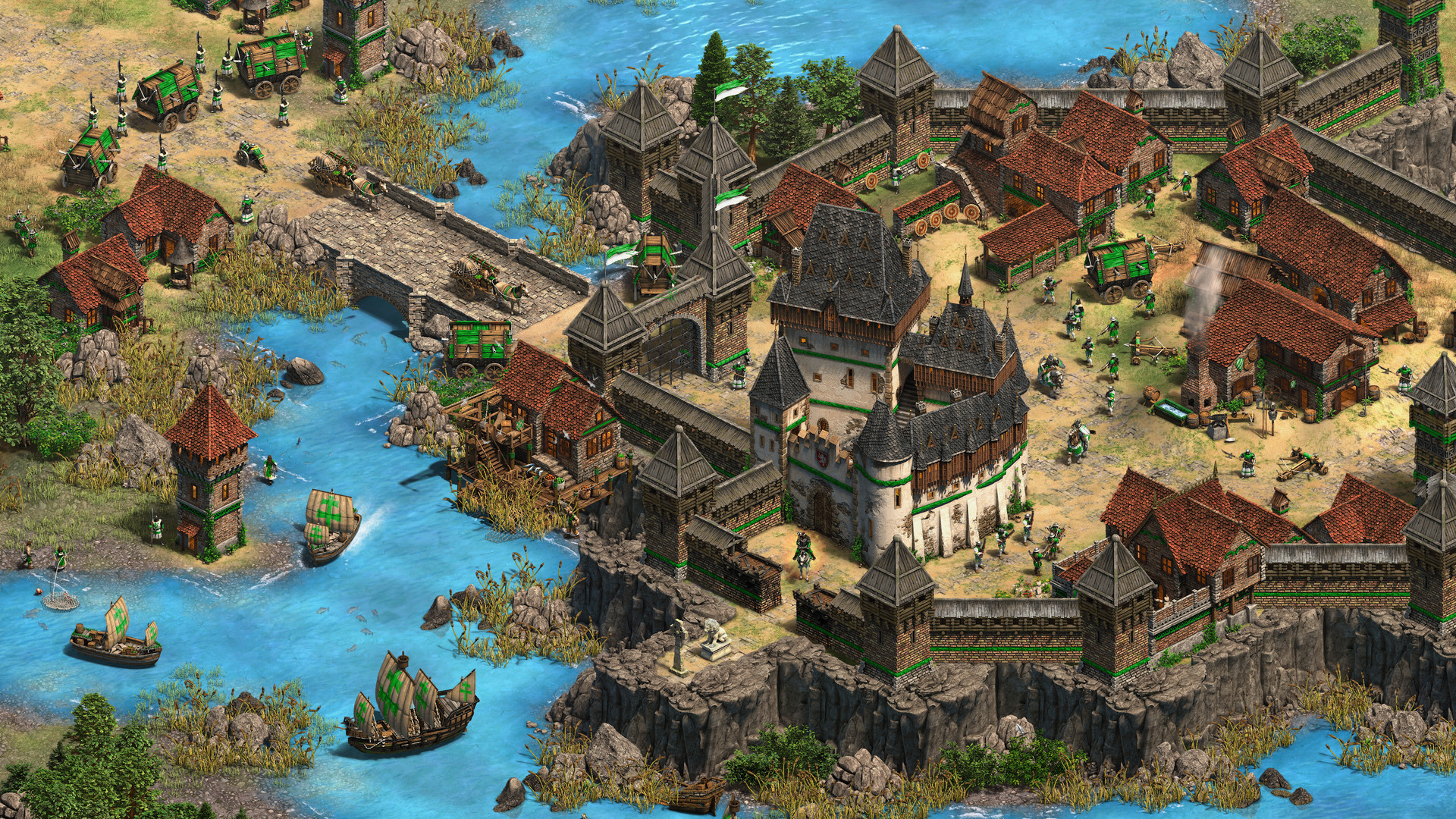
After The Forgotten, even more official expansions followed: The African Kingdoms (2015) and Rise of the Rajas (2016). In 2019, Age of Empires II: Definitive Edition launched with modern graphics, quality-of-life improvements, and a renewed sense of competitive vitality.
All of this flows from one truth: UGC showed the publisher that demand was real, sustained, and worth investing in.
Millions of players didn’t just play the original game; they organized, patched, expanded, and modded it and then played even more. The publisher didn’t guess that there might be demand. The community proved it.
What Age of Empires II Teaches Us About UGC Today
The Age of Empires II case study is distinct because it predates many modern UGC platforms, yet it shares the same core mechanics:
UGC is a grassroots market test
Community creations show developers what real players want. Mods, fan expansions, and community servers aren’t just optional add-ons, they are actionable data points about preferences, engagement, and longevity.
UGC cultivates talent
The modders behind Forgotten Empires became professional collaborators. Their project wasn’t a hobby; it became part of the official franchise. This is the bridge between passionate community participation and professional game development.
UGC extends product lifespan
Without community engagement, Age of Empires II might have faded. Instead, the title remained culturally relevant for decades. Today, many games attempt to artificially extend lifespan through DLC or seasonal content; UGC organically keeps games alive.
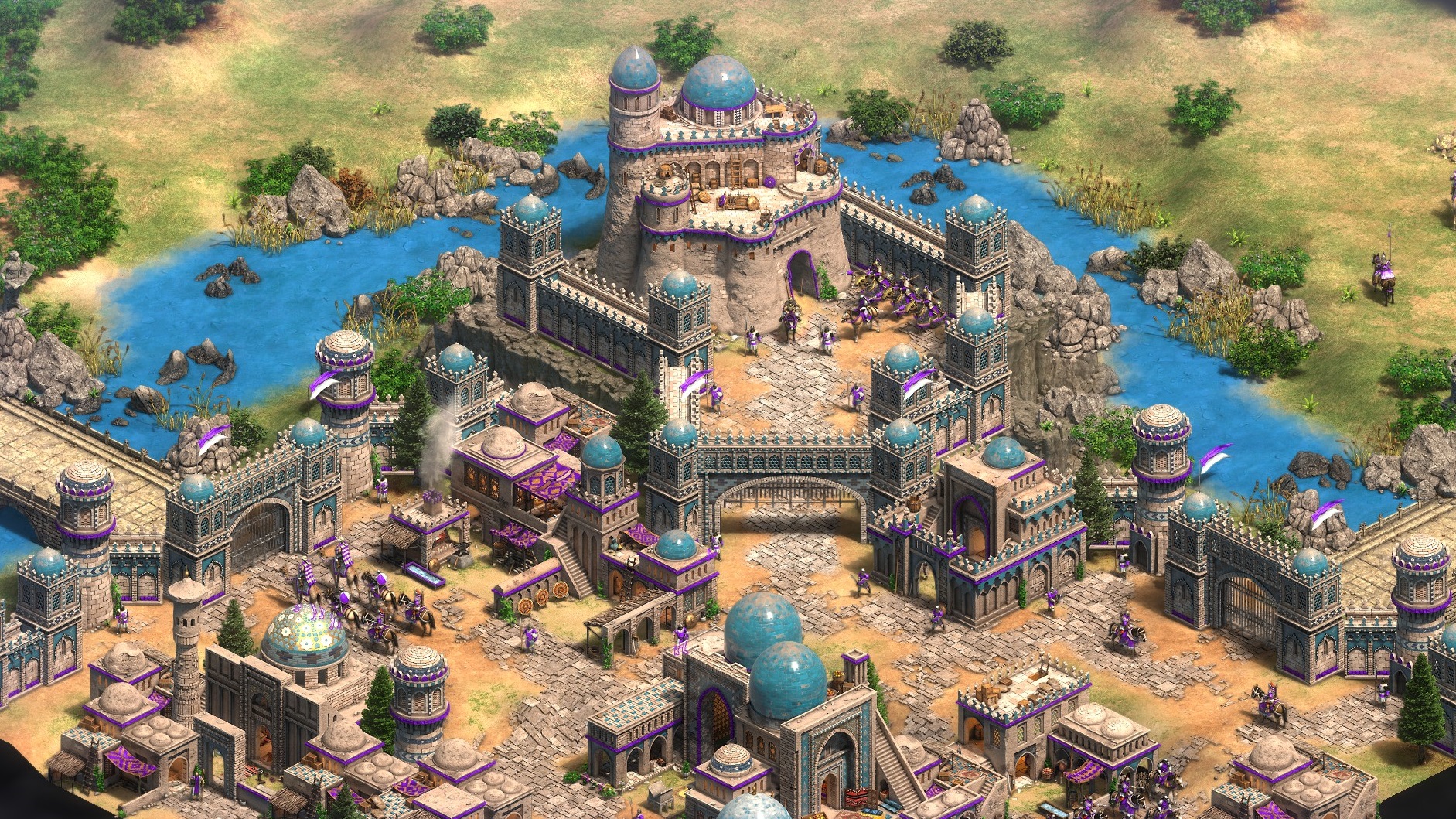
Why UGC Matters for the Future of Gaming
If traditional development is a top-down process, executives deciding what content gets made UGC is bottom-up. It represents authentic, player-driven innovation. It doesn’t replace traditional development; it augments it.
Executives bring strategic planning, sustainability, and resources. Players bring ground-truth understanding of mechanics, community desire, and lived experience with the game. The most successful future titles won’t be those that ignore UGC they will be those that embrace it as a strategic feedback loop.
Games that enable players to create, share, test, and iterate on experiences will outlast those that keep creative power tightly controlled. That’s why platforms that support UGC whether through mod tools, marketplaces, or integrated editors are shaping where the industry is going.
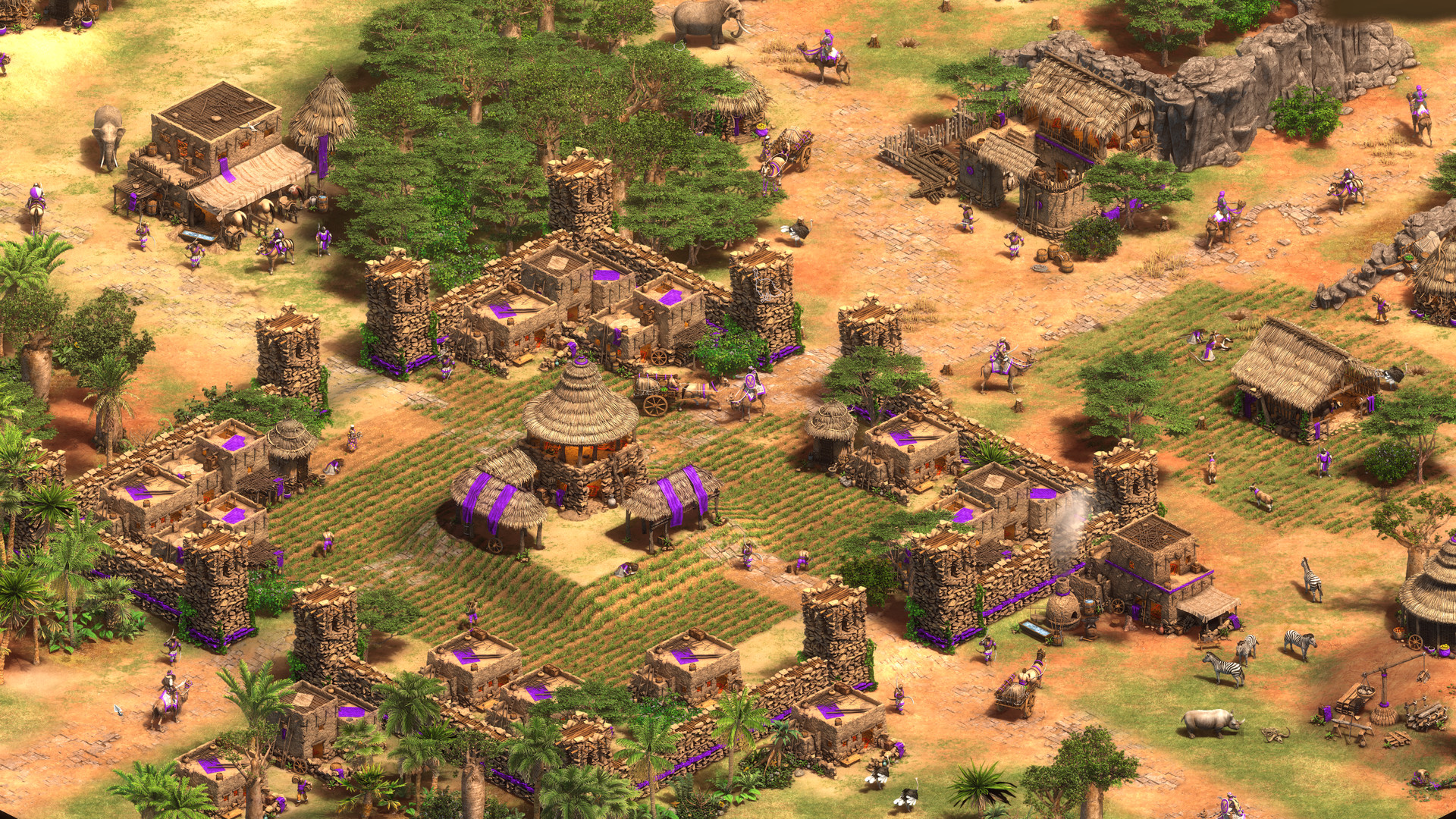
Conclusion: UGC Isn’t an Afterthought. It’s a Signal
The Age of Empires II story proves something profound:
When players create, they reveal demand.
When demand is proven, publishers can invest with confidence.
When investment follows, the IP grows.
In a world where gaming trends come and go, UGC is the one constant that shows what players truly value. It’s not just noise. It’s hard evidence of sustained engagement, untapped ideas, and real community worth.
As the industry evolves, those who understand and leverage UGC not as an afterthought, but as a strategic pillar will shape the next generation of games.
 Tim Browne - Consultant and Researcher for Creatives