
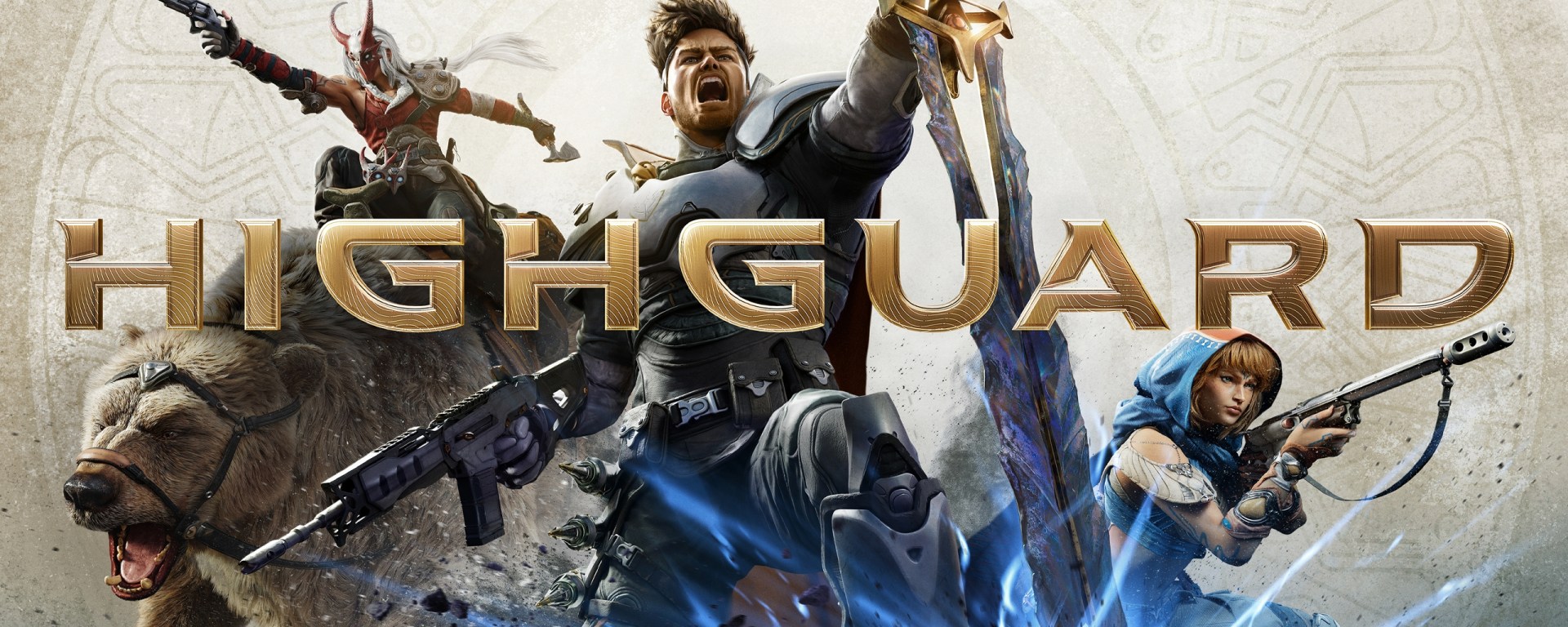
Released on the 26th of January, Highguard is a case study in how marketing and framing can shape reception more than raw game quality.
Highguard launched yesterday to an overwhelmingly negative reception. What makes this interesting is not that the game is fundamentally broken or unplayable, but that it appears to be a victim of expectation, positioning, and timing rather than design alone.
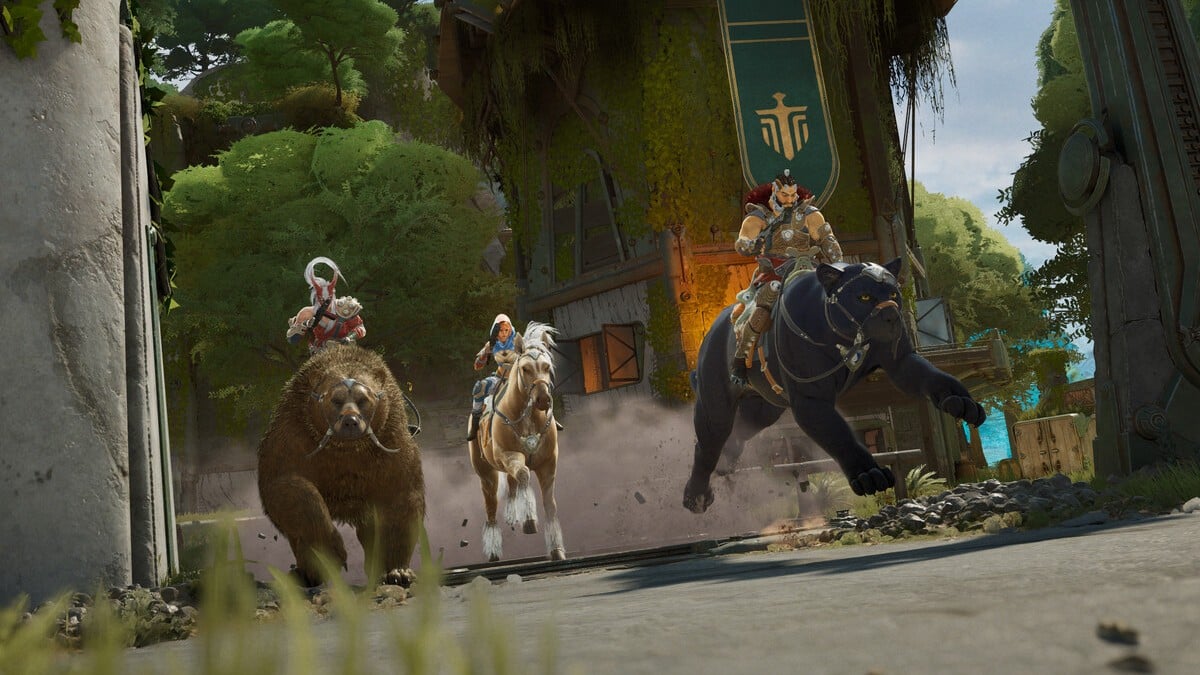
Announced just a month ago as the final reveal at The Game Awards, Highguard was framed as a major industry moment. The last trailer slot at the Game Awards is traditionally reserved for genre defining or prestige titles. Think large scale narrative games, long awaited sequels, or cultural tentpoles from established studios. Instead, viewers were shown a free to play hero shooter from a brand new studio, Wildlight Entertainment, formed by ex developers from Respawn, the team behind Titanfall and Apex Legends.
A Genre Fatigue Problem, Not a Quality One
Hero shooters are not new. Apex Legends, Overwatch, Marvel Rivals and similar titles have saturated the space over the last decade. For a large portion of the mainstream audience, the genre already feels crowded and creatively stagnant. Highguard did not look dramatically worse than its peers, but it also did not look revolutionary enough to justify the level of hype attached to its reveal.
By positioning Highguard as the headline act of The Game Awards, the game was immediately judged not by its intended niche audience, but by the entire gaming ecosystem. That includes players who primarily care about narrative driven games, RPGs, and award contenders who have little interest in competitive shooters at all. Their reaction was predictable. Not for me. Why is this here? Why is this the final reveal?
That initial negative sentiment snowballed across X, YouTube, and forums long before anyone had actually played the game.
When Exposure Becomes a Liability
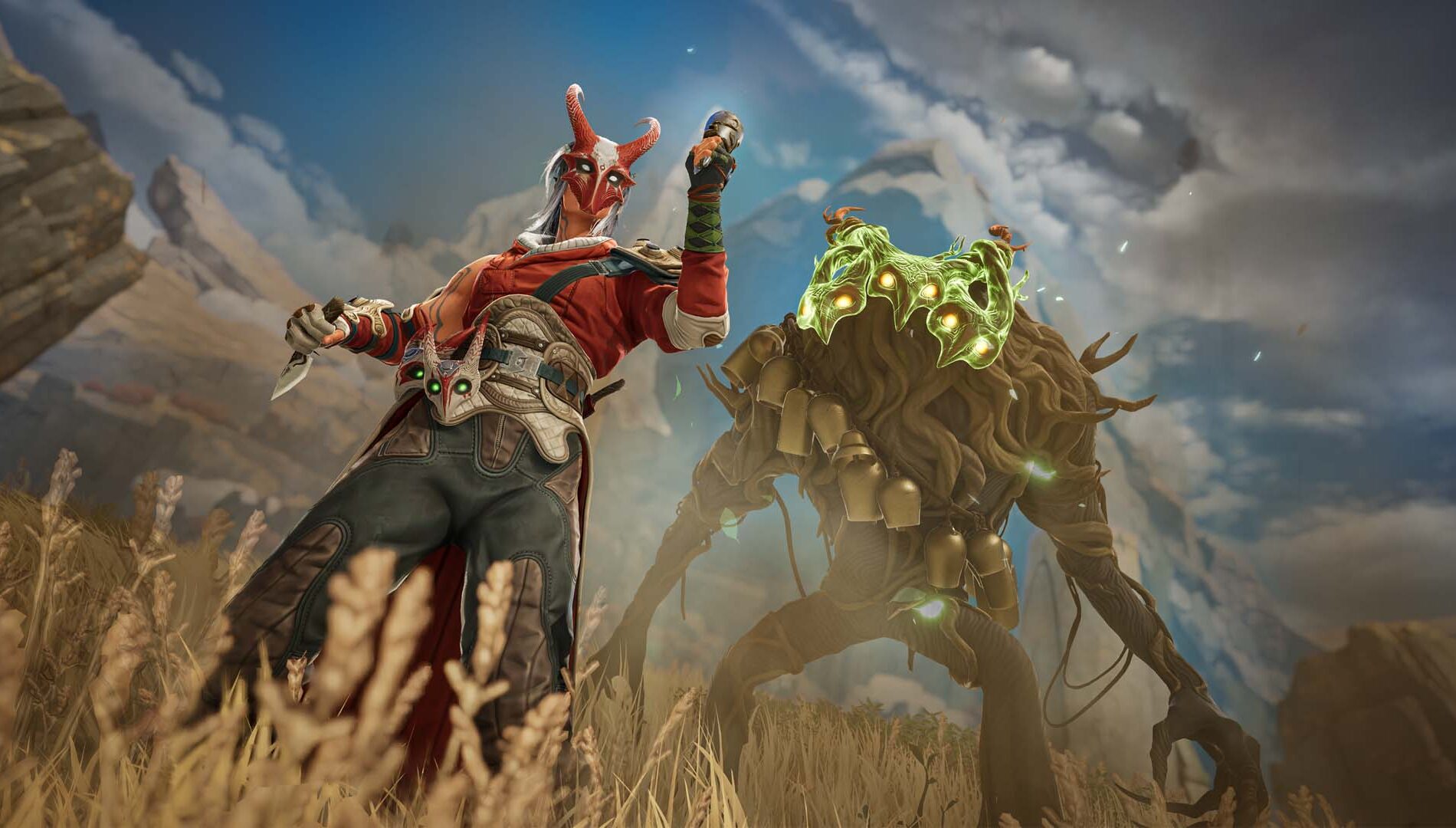
Highguard is free to play, which in theory should give it a fair chance to find its audience. Many players, myself included, argued that it deserved time for people to actually try it before declaring it dead. However, when a game launches into an environment already primed for dislike, even competent gameplay struggles to overcome the narrative.
Early Steam reviews reflect this. Thousands of negative reviews appeared within the first day. While some criticism is valid, much of the sentiment feels preloaded. Players went in expecting to dislike it, and unsurprisingly, many did.
This is the core issue. When something is framed as a major industry event, it has to meet that bar for the average viewer, not just its target audience. Highguard may well appeal to dedicated hero shooter players, but it was never going to satisfy the broader audience watching The Game Awards. By forcing that exposure, the marketing turned indifference into hostility.

The Shadow Drop Alternative
It is worth asking a simple question. What if Highguard had shadow dropped?
If the game had quietly launched as a free to play title, discovery would have been optional. Interested players would try it. Uninterested players would scroll past it. Feedback would be more organic, less performative, and more useful. Communities would form naturally, rather than defensively.
We have seen this model work repeatedly. Games like Genshin Impact, Honkai Star Rail, and Marvel Rivals did not demand attention from the entire gaming audience on day one. Their marketing was opt in. Players engaged on their own terms. That difference matters.
By contrast, placing Highguard at the climax of The Game Awards put it directly in front of millions of viewers who were never going to like it. Once that negative momentum started, it became self sustaining.

Marketing Justification Matters
From a business perspective, this is a failure of marketing justification. It is not enough to believe your product is high quality. You have to ask whether it is high impact enough for the platform you are placing it on.
The Game Awards is the biggest annual stage in gaming. That space needs to be justified not by internal confidence, but by broad appeal. Highguard did not meet that threshold. As a result, the game became defined by what it was not, rather than what it was trying to be.
This is especially damaging for live service games. Early perception shapes community formation, streamer interest, and long term viability. Once the narrative sets in, reversing it becomes exponentially harder.

Can High Guard Recover?
It is too early to say whether Highguard will survive long term. The team behind it is experienced, and free to play games only need a small percentage of players to stick in order to sustain a community. Unlike Concord, which launched behind a forty dollar paywall, Highguard at least removes the barrier to entry.
Quality can be improved over time. Balance can be adjusted. Content can be added. Communities can give feedback. What is much harder to fix is a launch narrative that tells the wider market this game should not exist.
If Highguard ultimately fails, the blame should sit far more with its marketing strategy than with the developers themselves. Wrong time, wrong place, and the wrong framing can kill a game faster than mediocre mechanics ever could.
A Lesson for the Industry
The key takeaway here is simple. Where you introduce an IP matters as much as how you introduce it.
Not every game deserves, or benefits from, maximum exposure on day one. Optional discovery builds healthier communities than forced attention. Hype must be proportional to appeal.
Otherwise, the audience will do the judging for you, long before your game has a chance to speak for itself.
Highguard may yet find its footing. But its launch will stand as a warning. The biggest stage in gaming is not always the right one.
 Tim Browne - Consultant and Researcher for Creatives