
Total creative freedom, zero official sharing
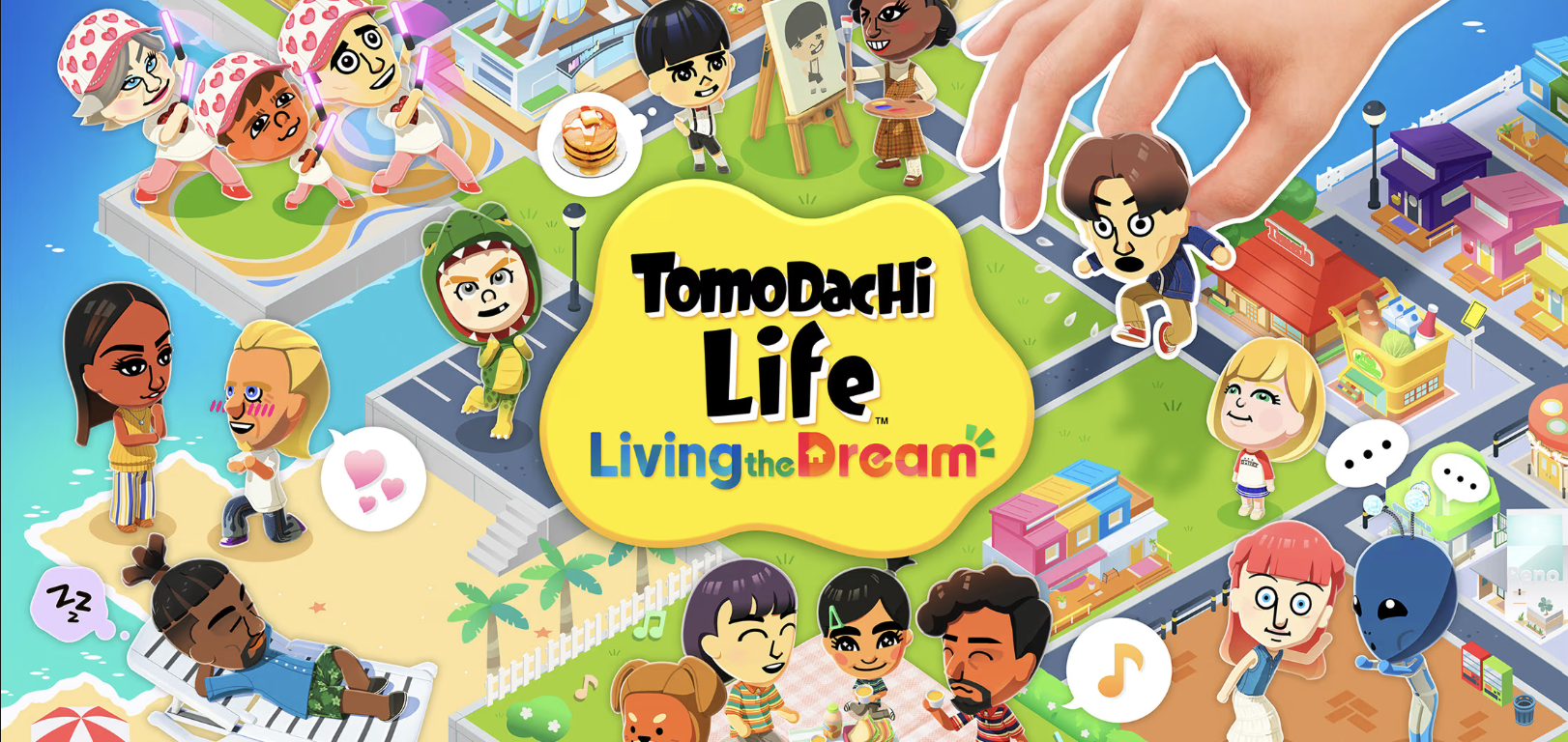
When Nintendo released Tomodachi Life: Living the Dream on the Switch, it introduced one of the more unusual approaches to user-generated content in modern games. On the surface, the game is extremely open. Players can fully customise Miis, draw facial features, design hairstyles, and create characters with a level of freedom that goes far beyond previous entries. As long as you can imagine something and recreate it through the tools available, you can build it. Characters can say anything, scenarios can become surreal, and the overall experience can quickly move far beyond the original intent of a simple life simulation.
What makes this approach interesting is not just the level of freedom, but what Nintendo chose not to include. Despite offering near-unlimited creative tools, the game has no official way to share that content. Players cannot upload Miis, download other people’s creations, or distribute their islands through an in-game system. On paper, this looks like a limitation, especially in an era where most games push heavily into integrated sharing and community features. In practice, it feels like a deliberate design choice.
By removing official sharing, Nintendo separates creation from responsibility. Players are free to make whatever they want, but that content does not exist within a Nintendo-controlled ecosystem. If something controversial, copyrighted, or offensive is created, it remains on the player’s device unless they choose to share it elsewhere. This allows Nintendo to avoid the risks that come with hosting user-generated content while still enabling the creativity that makes that content valuable in the first place.
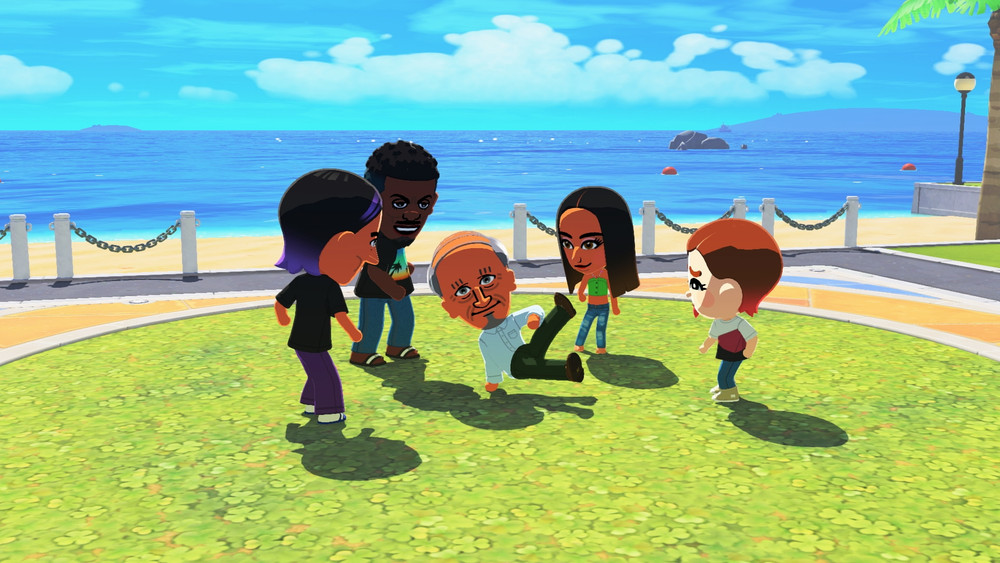
Despite the lack of in-game sharing, the content is still spreading rapidly. Players are posting their creations on social media, clips are circulating on platforms like YouTube, and streamers and VTubers are turning the game into a constant source of content. The result is a fully functioning UGC ecosystem that exists entirely outside of the game itself. Nintendo does not host it, moderate it, or formally support it, but it still benefits from the visibility and engagement it creates.
This approach also has an interesting effect on player behaviour. Because there is no way to download creations, players are encouraged to make everything themselves. If you see something online and want to replicate it, you have to put in the effort to recreate it. That naturally shifts the culture away from passive consumption and towards active creation. It encourages experimentation, skill development, and personal expression in a way that more convenience-driven systems often undermine.
There is also a clear precedent for why Nintendo might take this approach. In the past, games like Super Smash Bros. allowed players to share custom stages, which inevitably led to inappropriate or controversial creations appearing within official channels. Once a company hosts that content, it becomes responsible for moderating it, which introduces both operational costs and reputational risk. By removing the sharing layer entirely, Nintendo avoids that problem altogether.
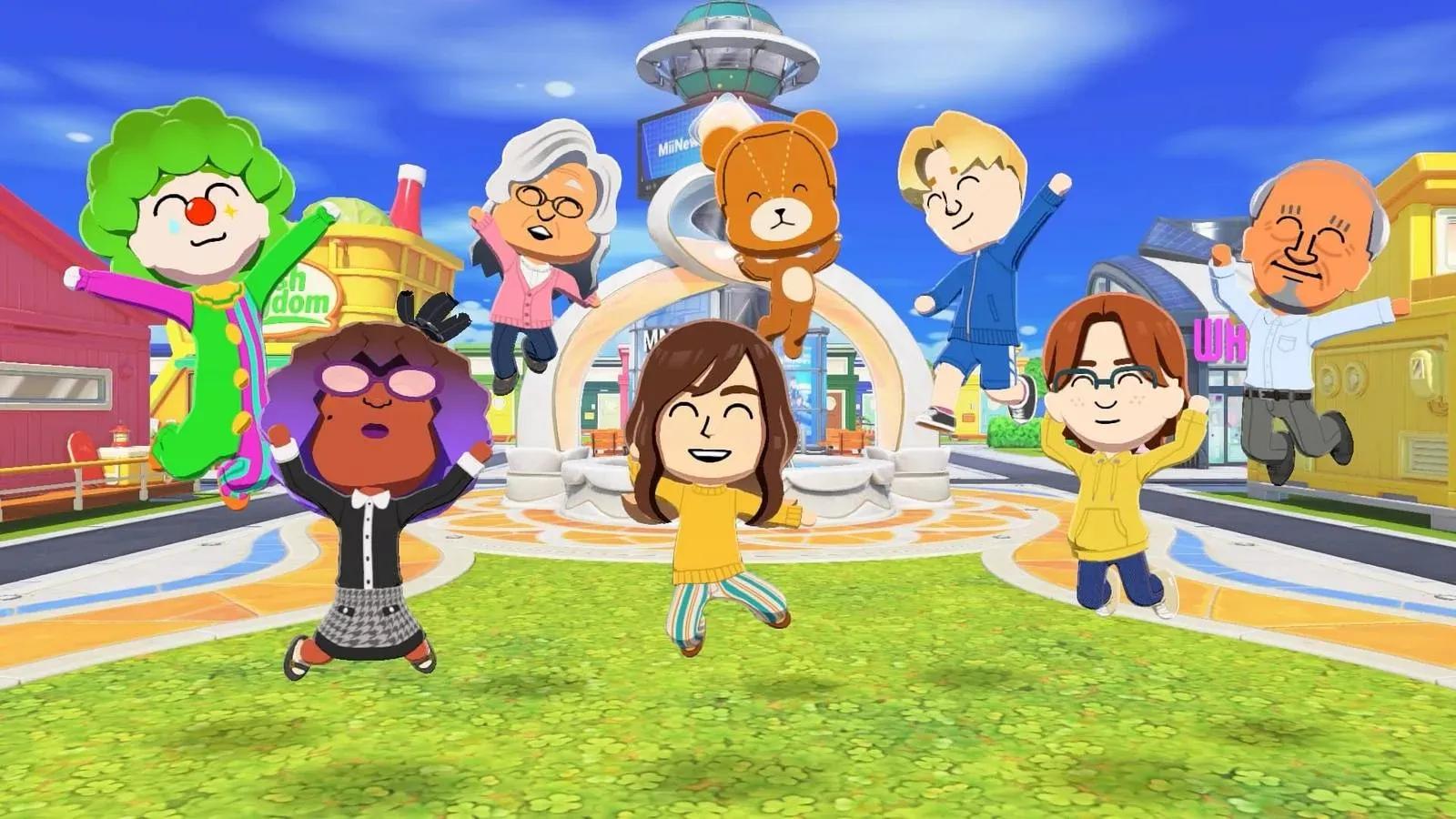
What emerges from this design is a kind of unofficial creative economy. Players produce content, share it externally, and generate attention around the game without any direct involvement from Nintendo. It is not a system that can be easily measured or tracked. There is no clear data pipeline linking user-generated content to sales or engagement. And yet, the impact is visible. Content spreads, interest builds, and the game continues to gain attention through community activity.
This makes the model feel almost alchemic. It does not follow the traditional logic of marketing funnels or platform-driven engagement systems, but it still produces results. Instead of trying to control the flow of content, Nintendo has simply provided the tools and allowed the community to take it from there.
There are, of course, trade-offs. Nintendo gives up a degree of control over how the game is represented online, and it cannot directly monetise or guide the UGC ecosystem in the way other companies might. But in exchange, it gains a level of creative freedom and reduced risk that is difficult to achieve through more controlled systems.
The key takeaway is that user-generated content does not always need to be tightly managed to be effective. In some cases, the best approach is to give players the tools to create and then step back. Tomodachi Life: Living the Dream shows that a thriving UGC ecosystem can exist without official support, and that sometimes the most effective way to engage a community is simply to trust it.

