
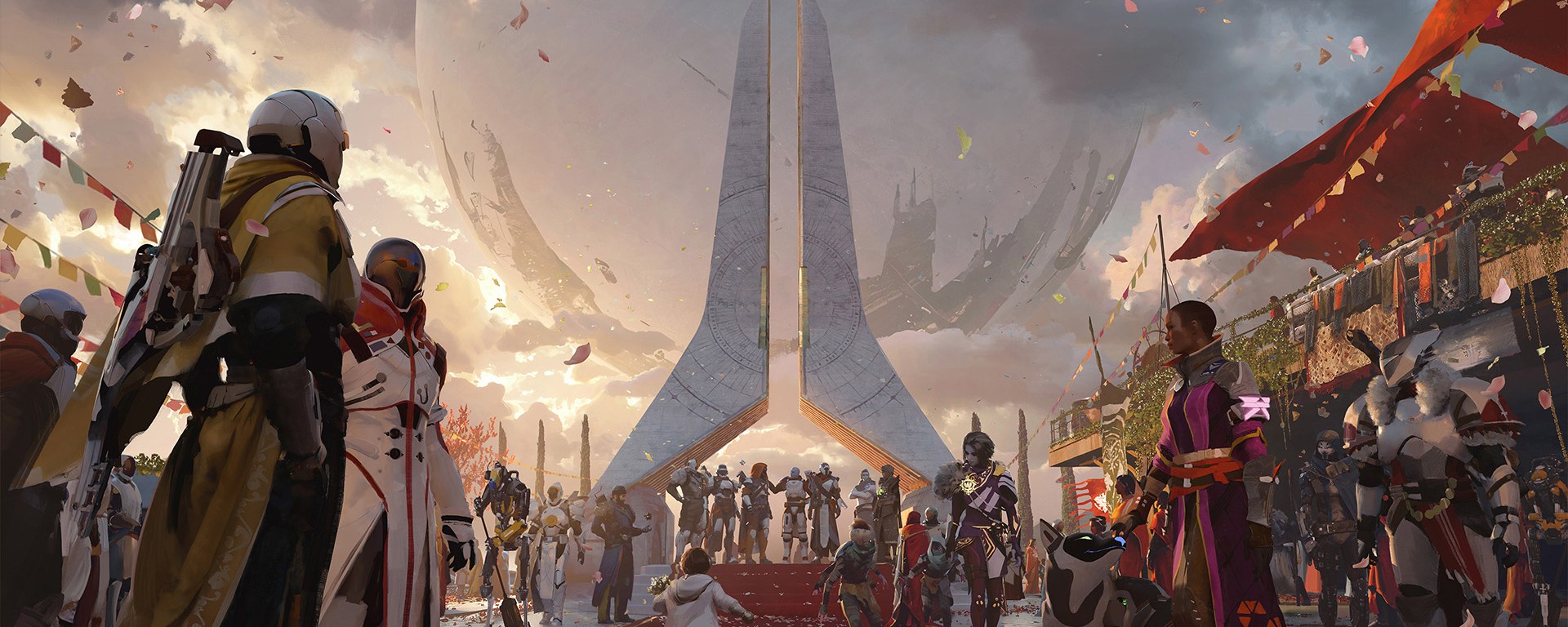
The announcement that Destiny 2 will enter maintenance mode marks the end of one of the most influential live service games ever created. While the game will continue to exist, its era of major expansions is effectively over, bringing to a close more than a decade of continuous development.
For many players, it feels like the end of an era. For the wider entertainment industry, it should prompt a much bigger discussion.
How is creative success actually measured?
The entertainment industry has never had access to more data. Daily active users, player retention, watch time, engagement, revenue per user and conversion rates can all be monitored almost instantly. Every interaction can be quantified and presented on a dashboard.
Yet despite this abundance of information, the industry appears increasingly uncertain about how to build lasting entertainment.
Games are cancelled within months of release. Television series disappear after a single season. Live service projects are shut down because they fail to reach financial targets, even when they have passionate communities behind them. At the same time, games released decades ago continue attracting players, characters continue selling merchandise across generations, and communities continue supporting abandoned titles long after publishers have moved on.
The contradiction suggests that something important is missing.
Businesses naturally optimise for what they can measure. If mobile games generate higher returns than traditional console games, investment shifts towards mobile. If short-form video generates greater engagement than long-form content, more resources flow into short-form platforms. If live service promises recurring revenue, publishers pursue live service.
None of these decisions are irrational. They are logical responses to measurable outcomes.
The problem is that efficiency and value are not always the same thing.
A balance sheet can reveal how much money a game generated during a quarter. It cannot reveal whether players formed a lasting attachment to its world. Analytics can measure how long someone stayed logged in. They cannot measure whether that experience inspired someone to become an artist, create fan content, recommend the game to friends or return years later.
Those are the qualities that create enduring intellectual property.
The most valuable entertainment franchises are rarely built on short-term optimisation alone. Pokémon, Mario and many of Nintendo’s longest-running series continue to generate value because they established cultural resonance before they became commercial ecosystems. The merchandise, films, collaborations and licensing opportunities came after audiences had already developed an emotional connection with the worlds and characters.
That distinction is becoming increasingly important.
As production costs continue to rise, the temptation is to build projects around immediate financial certainty. Games become services, content becomes shorter, and success becomes increasingly tied to measurable engagement. These approaches can be commercially successful, but they also risk producing entertainment that is economically efficient without becoming culturally significant.
The closure of projects such as Concord, the changing landscape surrounding Destiny 2, and wider uncertainty across television and gaming are not necessarily signs that audiences no longer care about entertainment. They may instead reflect an industry that has become exceptionally good at measuring economic performance while still struggling to understand how creative works generate long-term value.
Entertainment has always been more than a product.
People invest in stories, characters, communities and experiences. Revenue follows that investment, not the other way around.
Perhaps the next evolution of entertainment management is not finding better ways to measure efficiency, but developing better ways to understand resonance. Because while efficiency can explain why something makes money today, resonance is often what determines whether it still matters ten years from now.

